
Disclosure: This content may contain affiliate links. If you purchase through these links, this website may earn a commission at no additional cost to you. As an Amazon Associate, we earn from qualifying purchases. Some content on this website may be created with the assistance of AI tools and editorial research to help provide helpful information, comparisons, and recommendations for readers.
Upcoming trends in tiny prefab homes for 2025
- Emerging technologies and sustainability will drive tiny prefab home designs in 2025.
- Smart homes are becoming more integrated into tiny living spaces.
- Eco-friendly materials will dominate the building landscape.
- Customization options will enhance the user experience for tiny homeowners.
- Outdoor living spaces will be prioritized in design trends.
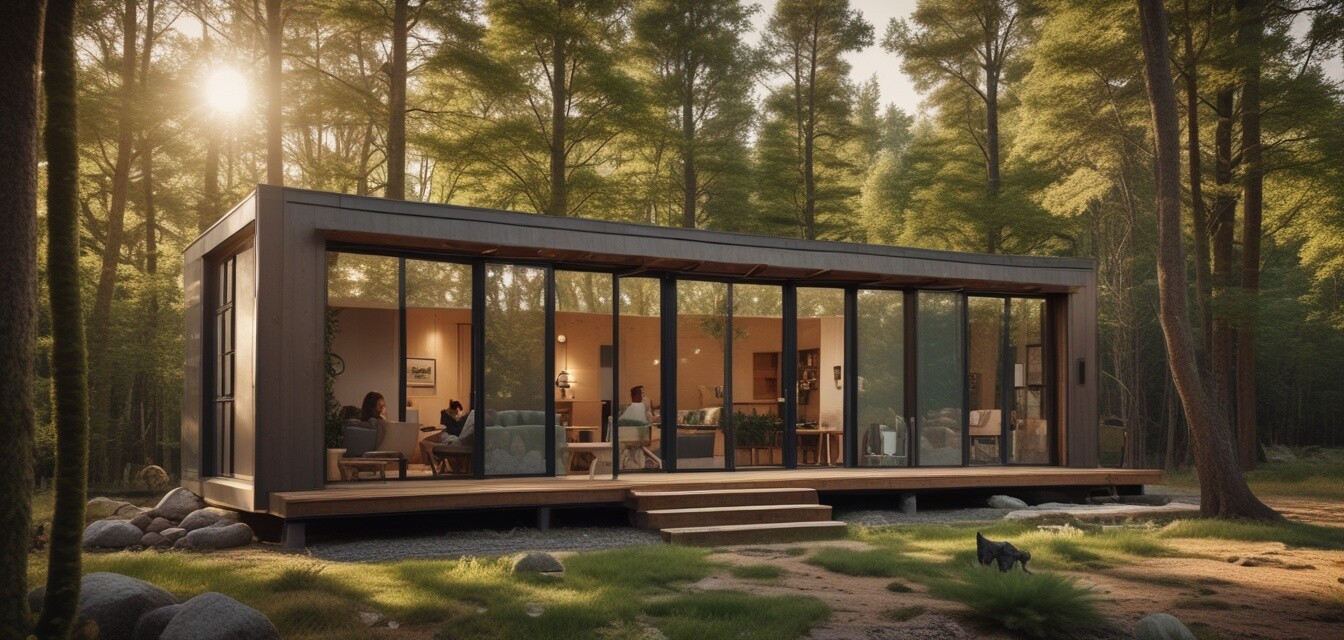
The world of tiny prefab homes is evolving rapidly, with innovations and design trends set to redefine how we live in smaller spaces. As we approach 2025, staying informed about these changes is vital for anyone interested in the tiny living movement. This article will delve into the anticipated trends in tiny prefab homes, focusing on styles, technology advancements, and the impact of eco-friendly practices.
1. The rise of smart home technology
Smart homes are no longer just a perk; they are becoming a standard in home design, including tiny prefab homes. Homeowners are increasingly seeking convenience, efficiency, and control over their living spaces. Below is a summary of some popular smart home technologies that are gaining traction:
| Technology | Description | Benefits |
|---|---|---|
| Smart lighting | LED lights that can be controlled remotely. | Energy efficiency, ambiance control. |
| Smart security systems | Cameras and alarms that notify the owner of breaches. | Increased safety and peace of mind. |
| Automated thermostats | Sensors that adjust temperature based on occupancy. | Energy conservation and cost savings. |
| Smart appliances | Devices that can be controlled via smartphone apps. | Convenience, energy management. |
2. Emphasis on sustainable materials
As the awareness of environmental issues continues to grow, so does the demand for sustainable building practices. Tiny prefab homes in 2025 will likely utilize a range of eco-friendly materials, such as:
- Bamboo: A rapidly renewable resource that is durable and lightweight.
- Recycled steel: Offers strength while minimizing environmental impact.
- Reclaimed wood: Reduces deforestation and adds character to any home.
- Green insulation materials: Helps in maintaining energy efficiency.
3. Customization and personalization
Gone are the days when tiny homes were limited to basic designs. Homeowners now desire personalized spaces that reflect their unique styles. The trend for customizable features will include:
- Flexible floor plans that maximize usable space.
- Interior design options tailored to individual preferences.
- Exterior designs that allow homeowners to express their creativity.
4. Outdoor living spaces
With the growing interest in outdoor activities, tiny prefab homes will increasingly integrate outdoor living spaces into their designs. Some of the anticipated features include:
- Expandable decks for entertaining.
- Garden areas for self-sustainability.
- Outdoor kitchens for cooking in nature.
5. Innovative building techniques
New construction methods are being developed to facilitate efficiency without compromising quality. Some of these techniques include:
| Technique | Description | Advantages |
|---|---|---|
| Modular construction | Buildings are constructed in sections off-site and then assembled. | Faster build time, less waste. |
| 3D printing | Homes are built layer-by-layer from a digital model. | Reduces material costs and allows for complex designs. |
| Panelized construction | Wall panels are pre-fabricated and then assembled on-site. | Lower labor costs and quicker assembly. |
Conclusion
The future of tiny prefab homes is bright, with innovative technologies and sustainable practices ready to shape the way we live in 2025 and beyond. As trends such as smart home integration, a focus on sustainability, and personalization continue to rise, prospective homeowners should take note of these changes to better prepare for their living arrangements. For more insights on tiny living, check out our Lifestyle Tips to enhance your small space or visit our category on Buying Guides for valuable information.
Pros
- Maximized efficiency in use of space.
- Opportunity for eco-friendly living.
- Integration of modern technology enhances comfort.
- Custom options allow for personal expression.
Cons
- Small space can feel crowded for some.
- Limited room for storage.
- Initial setup costs may be high.
