
Disclosure: This content may contain affiliate links. If you purchase through these links, this website may earn a commission at no additional cost to you. As an Amazon Associate, we earn from qualifying purchases. Some content on this website may be created with the assistance of AI tools and editorial research to help provide helpful information, comparisons, and recommendations for readers.
Tiny Living: A Growing Trend Among Millennials
Key Takeaways
- Tiny living offers millennials an affordable housing solution.
- It promotes sustainability and eco-friendly living practices.
- Emphasis on smart home technology increases convenience.
- Flexible living arrangements cater to individual lifestyles.
- The tiny home movement encourages community building.
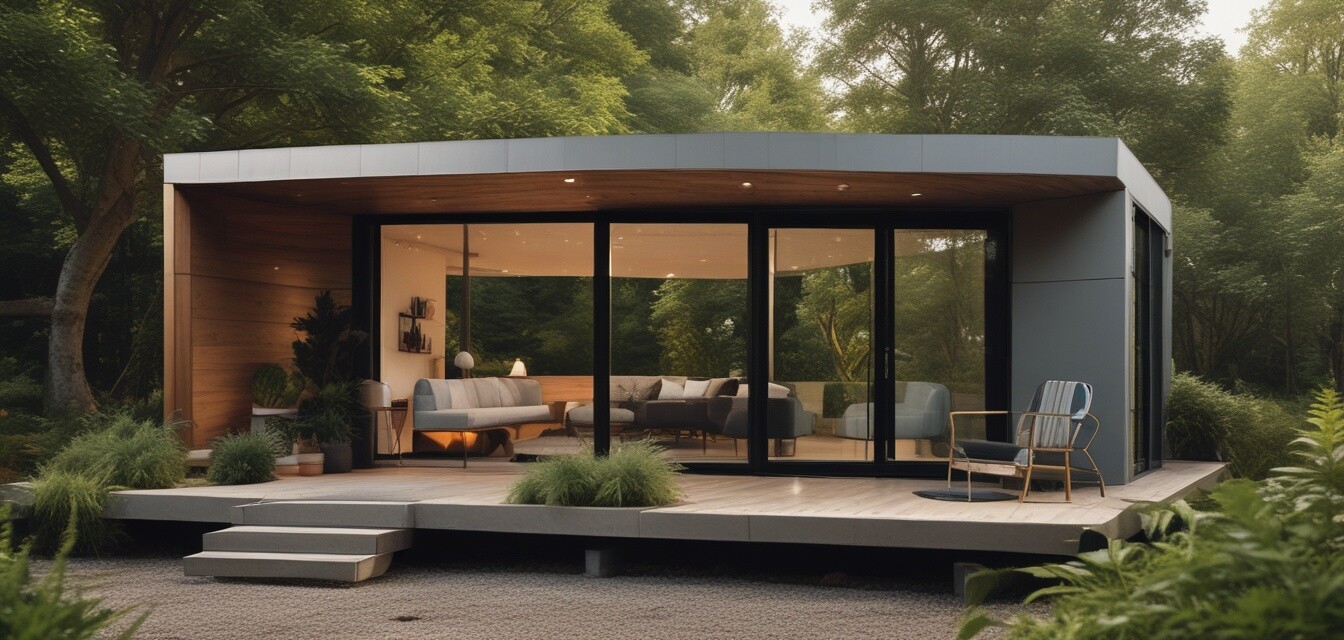
In recent years, tiny living has surged in popularity, especially among millennials who are seeking affordable and sustainable housing solutions. As prices for conventional homes continue to climb, many young individuals are re-evaluating their living situations, opting for more compact and efficient spaces. This article delves into the reasons behind the appeal of tiny living for millennials, exploring aspects like affordability, sustainability, and lifestyle flexibility.
The allure of affordability
One of the primary driving forces behind the tiny living trend is affordability. With escalating property prices in urban areas, many millennials are finding it increasingly challenging to enter the housing market. Tiny homes provide a wallet-friendly alternative. Here are some benefits:
- Lower purchase prices
- Reduced utility bills
- Minimal maintenance costs
By choosing a tiny home, millennials can save a significant amount of money, allowing them to allocate funds to experiences such as travel or education.
Cost Comparison of Tiny Homes vs. Traditional Homes
| Housing Type | Average Cost | Average Size (sq ft) |
|---|---|---|
| Tiny Home | $30,000 - $60,000 | 100 - 400 |
| Traditional Home | $250,000 - $500,000 | 1,500 - 2,500 |
Sustainability: A key consideration
Millennials are increasingly conscious of their environmental impact. With the rise of climate change awareness, many young adults are drawn to sustainable living alternatives. Tiny homes often utilize eco-friendly materials and energy-efficient designs. Here are some sustainable practices associated with tiny living:
- Use of renewable energy sources
- Incorporation of sustainable building materials
- Minimalistic lifestyle reducing consumption and waste
By choosing to live in a tiny home, millennials can actively contribute to a more sustainable future while enjoying the benefits of eco-friendly living.
Embracing technology in tiny living
As technology continues to advance, modern tiny homes are becoming increasingly equipped with smart home devices. Millennials, who have grown up in the digital age, are keen to integrate technology into their living spaces. Smart home features offer convenience, efficiency, and security. Here are a few examples:
- Smart thermostats for energy management
- Automated lighting systems
- Advanced security systems with remote monitoring
Leaning into technology allows tiny home owners to enhance their living experience while maintaining a focus on energy efficiency. For more information about smart devices for small spaces, check our Smart Home Devices category.
Flexible living arrangements
Tiny homes provide millennials with the flexibility to adapt their living arrangements to better suit their lifestyles. Whether it’s moving to a new location for a job opportunity or adjusting living space for a growing family, tiny homes offer a level of mobility and flexibility that traditional homes do not. This flexibility is particularly appealing to young professionals and digital nomads.
The social aspect of tiny living
The tiny home movement is not just about downsizing; it’s also about cultivating lifestyle communities. Tiny living often promotes a sense of community among residents. Many tiny home parks are located in vibrant areas, allowing for social interaction and shared resources. This growing community fosters connections that are sometimes missing in more traditional living arrangements.
Conclusion
The appeal of tiny living among millennials can be attributed to a combination of affordability, sustainability, technology, and flexibility. As this trend continues to gain traction, it invites a shift in how society views traditional housing and living spaces. The tiny home movement not only provides an innovative housing solution but also inspires younger generations to embrace a more sustainable and communal lifestyle.
Tips for transitioning to tiny living
- Begin by decluttering your space.
- Choose functional furniture that maximizes space.
- Consider smart storage solutions.
- Research tiny home designs that resonate with your style.
- Engage with tiny home communities online for support and inspiration.
Pros
- Cost-effective living solution
- Lower environmental impact
- Enhanced community connection
- Increased mobility and flexibility
Cons
- Potentially limited space
- Less privacy
- Challenges in storage solutions
For further insights into the tiny living movement and the latest news in prefab homes, visit our News and Trends section.
