
Disclosure: This content may contain affiliate links. If you purchase through these links, this website may earn a commission at no additional cost to you. As an Amazon Associate, we earn from qualifying purchases. Some content on this website may be created with the assistance of AI tools and editorial research to help provide helpful information, comparisons, and recommendations for readers.
Tiny homes: A solution for sustainable urban living
Key Takeaways
- Tiny homes reduce the carbon footprint through efficient use of resources.
- They offer sustainability solutions for urban living with green building practices.
- Community-focused tiny home developments encourage collaboration and shared resources.
- Government policies increasingly support tiny home initiatives, making them more accessible.
- Adaptable spaces in tiny homes can accommodate various lifestyles and needs.
Tiny homes are rapidly emerging as a revolutionary solution for sustainable urban living. As the world grapples with increasing urbanization and environmental concerns, the concept of tiny homes offers an innovative approach to housing. These compact dwellings not only minimize environmental impact but also create a strong sense of community. In this article, we'll explore how tiny homes contribute to sustainability, green building practices, and their overall community impact.
Understanding the impact of tiny homes on the environment
Tiny homes are designed with efficiency in mind. With smaller square footage, they require fewer resources to build and maintain. Let's break down some environmental benefits of tiny homes:
| Benefit | Description |
|---|---|
| Reduced Energy Consumption | Tiny homes use less energy for heating, cooling, and lighting compared to larger homes. |
| Lower Carbon Footprint | Smaller living space means fewer materials needed for construction, leading to less waste. |
| Use of Sustainable Materials | Many tiny homes are built using eco-friendly materials, enhancing durability and reducing environmental impact. |
| Efficient Land Use | Tiny homes make effective use of land, allowing for denser living spaces that preserve green areas. |
Green building practices in tiny home construction
Green building practices are integral to the construction of tiny homes. These practices ensure that the impact on the planet is minimized while maximizing efficiency and comfort. Here are some common green building elements found in tiny homes:
- Energy-efficient appliances: Tiny homes often come equipped with energy-saving appliances to further reduce consumption.
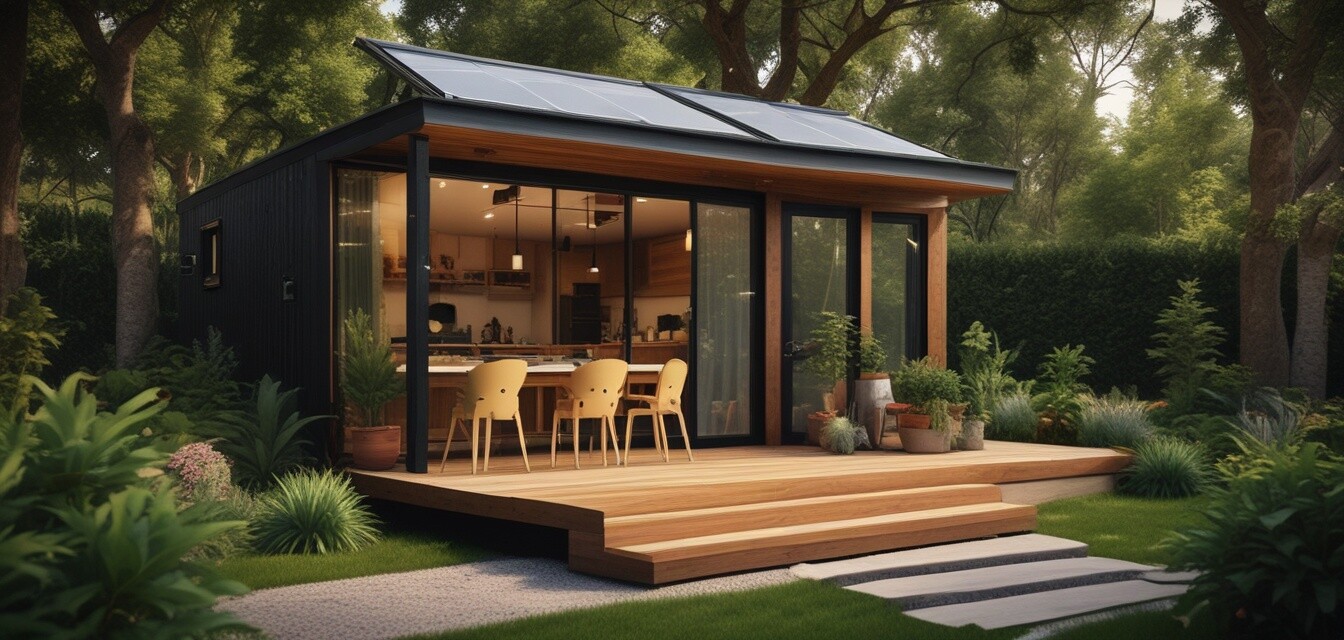
- Solar panels: Many tiny homes incorporate solar energy to power their electrical needs, decreasing reliance on traditional power sources.
- Water conservation systems: Rainwater collection and greywater recycling systems are commonly used in tiny home designs.
- Insulation techniques: High-quality insulation keeps tiny homes comfortable with less energy usage for heating or cooling.
Community-focused living in tiny home developments
One of the most significant benefits of tiny homes is their potential to foster a sense of community. Tiny home developments often bring together like-minded individuals who value sustainability and collaboration. Some key aspects of community-focused living include:
- Shared spaces: Common areas allow for social interaction and resource sharing among residents.
- Collaborative gardens: Community gardens provide space for residents to grow food together, promoting sustainability and nutrition.
- Support networks: Living in proximity allows residents to support one another in various aspects of life.
- Workshops and events: Many tiny house communities organize events that promote learning and collaboration.
Government support for tiny homes
As the tiny living movement picks up steam, governments are beginning to take notice and implement supportive policies. Many cities are working on zoning laws that accommodate tiny homes, recognizing their potential to alleviate housing shortages. Some benefits of this support include:
| Policy | Impact |
|---|---|
| Relaxed Zoning Laws | Increased ability for individuals to build tiny homes legally in urban areas. |
| Tax Incentives | Encouragement for developers and individuals to invest in tiny homes. |
| Funding for Tiny Home Communities | Financial resources for developers to create affordable tiny home neighborhoods. |
| Permitting Assistance | Streamlined processes to help tiny home builders navigate local regulations. |
The future of tiny homes in sustainable urban living
The rise of tiny homes is not just a trend; it is a movement toward redefining urban living. As housing prices continue to soar and environmental concerns grow, tiny homes stand out as an ideal solution. With ongoing innovations in design and construction, they show promise in meeting the future demands of sustainable living. It's essential for individuals considering this lifestyle to educate themselves about various options and participate in the growing tiny home community.
Beginner's tips for tiny living
- Research zoning laws in your area to understand regulations regarding tiny homes.
- Prioritize essential items and declutter to make the most of your tiny space.
- Engage with local tiny home communities to gain insights and share experiences.
- Consider eco-friendly building materials if you plan to construct your tiny home.
Pros
- Lower environmental impact
- Reduced living costs
- Minimalistic lifestyle
- Enhanced community interactions
Cons
- Limited space and storage options
- Need for careful planning and organization
- Potential zoning challenges in some areas
- Not ideal for larger families
In conclusion, tiny homes represent a transformative solution for sustainable urban living. By embracing green building practices and fostering community ties, they enhance the quality of life while respecting the planet. As the tiny living movement continues to gain momentum, it will play a vital role in shaping the future of urban development and sustainable lifestyles.
For more insights into tiny living and associated products, check out our other articles on Buying Guides and the latest news in News and Trends.
Explore solutions for your compact living spaces with products from our Compact Furniture category!
