
Disclosure: This content may contain affiliate links. If you purchase through these links, this website may earn a commission at no additional cost to you. As an Amazon Associate, we earn from qualifying purchases. Some content on this website may be created with the assistance of AI tools and editorial research to help provide helpful information, comparisons, and recommendations for readers.
Tiny Home Living: Addressing Housing Crises
- Tiny homes provide viable solutions for affordability and sustainability in housing.
- They encourage community living and support mental well-being.
- Challenges such as zoning laws and lack of infrastructure must be addressed.
- Innovations in design and construction are making tiny homes increasingly attractive.
- Understanding the differences between traditional and tiny home living is essential.
The housing crisis is a pressing issue that affects millions of families across the globe. With rising costs of traditional homes and the increasing demand for affordable living options, tiny homes emerge as a practical solution. This article will explore the myriad benefits and challenges of tiny home living, delving into how they can significantly impact communities dealing with housing shortages.
The role of tiny homes in today’s housing market
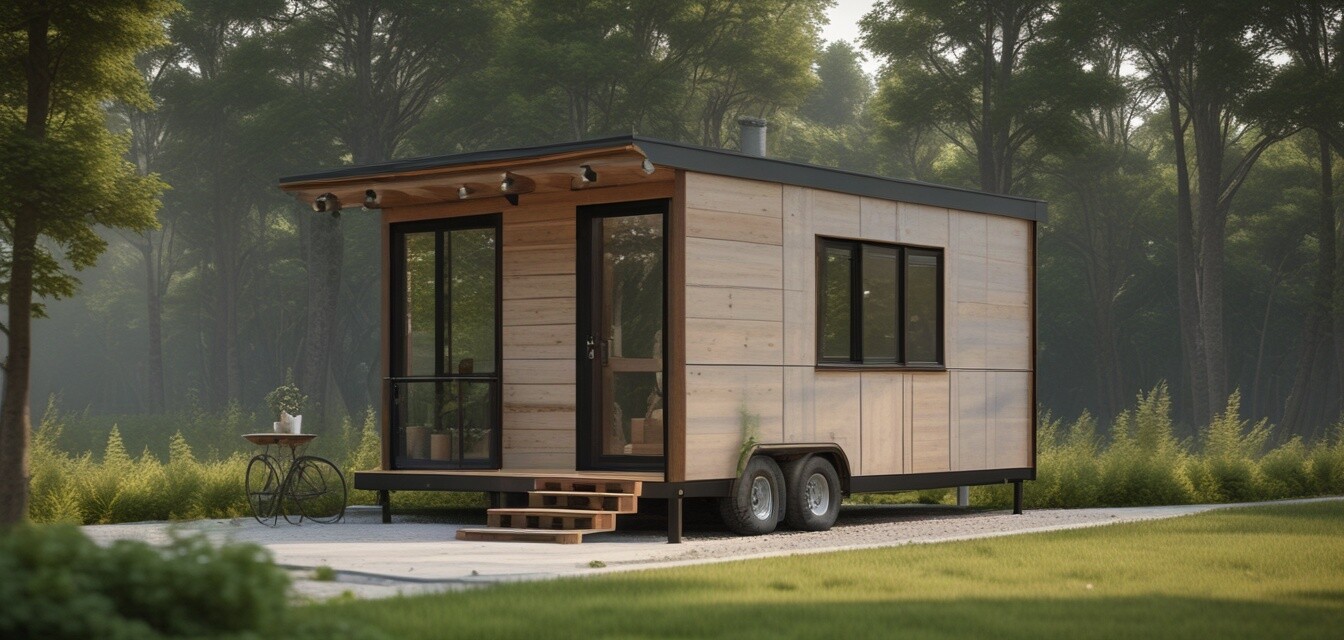
Tiny homes embody a radical shift in our approach to housing. They are typically defined as residential spaces measuring under 400 square feet while emphasizing the importance of sustainability and efficient use of resources. Here are some essential aspects of tiny homes in the housing market:
| Aspect | Description |
|---|---|
| Affordability | Tiny homes often cost significantly less than traditional homes, making them accessible to a broader range of people. |
| Space efficiency | These homes maximize every square foot, allowing residents to live comfortably in smaller areas without sacrificing functionality. |
| Sustainability | With a focus on eco-friendly materials and energy-efficient designs, tiny homes promote sustainable living practices. |
| Community impact | Tiny home communities foster social interaction and support systems, providing a sense of belonging among residents. |
Benefits of tiny home living
There are numerous benefits associated with tiny homes that go beyond their physical characteristics. Here, we discuss some of the most significant advantages:
- Affordability: Lower upfront costs and reduced utility bills make tiny homes more accessible to a larger audience.
- Minimalistic lifestyle: Living in a tiny home encourages residents to declutter and prioritize their needs, creating a simpler life.
- Portability: Many tiny homes are built on trailers, allowing for flexibility and mobility in choosing where to live.
- Community living: Tiny home communities promote close-knit relationships among neighbors, encouraging support and camaraderie.
- Environmental impact: Reduced living space leads to lower resource usage and promotes sustainable living solutions.
Challenges of tiny home living
While the benefits of tiny homes are compelling, there are also challenges that potential residents or communities must navigate, including:
Pros
- Affordable housing solution for many individuals and families.
- Promotes a sustainable lifestyle with fewer resources.
- Encourages community connections and support.
- Flexibility in location and living arrangements.
Cons
- Zoning laws can restrict where tiny homes can be placed.
- Lack of access to infrastructure such as water and electricity in some areas.
- Space limitations may lead to feelings of claustrophobia for some individuals.
- Finding suitable land that is both affordable and allows tiny homes can be challenging.
Innovations in tiny home design
As the popularity of tiny homes grows, innovative design techniques have emerged to tackle the space constraints effectively. Here are some notable trends:
- Modular designs: These designs allow homeowners to expand their space over time, adding rooms or features as needed.
- Multi-functional furniture: Foldable beds, extendable tables, and hidden storage spaces maximize usability in tiny homes.
- Eco-friendly materials: Recycled, sustainable materials are increasingly being utilized in the construction of tiny homes.
- Smart home technology: Incorporating smart devices helps maximize efficiency and convenience in small spaces.
Community efforts and initiatives
Across the globe, communities are recognizing the potential tiny homes offer in addressing housing shortages. Here are some examples of initiatives that have emerged:
| Community | Initiative | Location |
|---|---|---|
| Habitat for Humanity | Tiny home communities for low-income families | Various locations in the USA |
| Denver’s Tiny Home Project | Support for homeless individuals looking for stable housing | Denver, Colorado |
| Rising Tide | Focus on sustainability and community support in tiny living | Various locations in the USA |
| Portland's Tiny House Hotel | Promoting visiting tiny homes while providing affordable housing | Portland, Oregon |
Conclusion
Tiny living presents a unique solution for addressing the housing crises we face today. Their affordability, sustainability, and community-focused nature allow these homes to serve multiple roles in various locations. Despite challenges such as zoning laws and infrastructure limitations, the innovations in design and community initiatives are paving the way for a future where tiny homes become a mainstream option for many. As society moves towards more sustainable living, embracing tiny home living could significantly influence how we view and address housing needs.
If you want to explore more about tiny home living or discover innovative solutions for smaller spaces, check out our tiny prefab homes section or learn more about compact furniture options that maximize space.
