
Disclosure: This content may contain affiliate links. If you purchase through these links, this website may earn a commission at no additional cost to you. As an Amazon Associate, we earn from qualifying purchases. Some content on this website may be created with the assistance of AI tools and editorial research to help provide helpful information, comparisons, and recommendations for readers.
Tiny home communities: A growing trend in prefab living
Key Takeaways
- Tiny home communities provide affordable housing options.
- They foster a sense of community and sustainability.
- There are various challenges, including zoning laws and regulations.
- Innovation in design and materials enhances tiny living experiences.
- Prefab construction methods are becoming increasingly popular.
The trend of tiny living has gained significant momentum over the last few years, particularly within prefab housing markets. Tiny home communities are sprouting up across the globe, offering both innovative housing solutions and a lifestyle shift towards simplicity. In this article, we will explore the benefits, challenges, and examples of thriving prefab tiny home villages, demonstrating why this trend is here to stay.
What are tiny home communities?
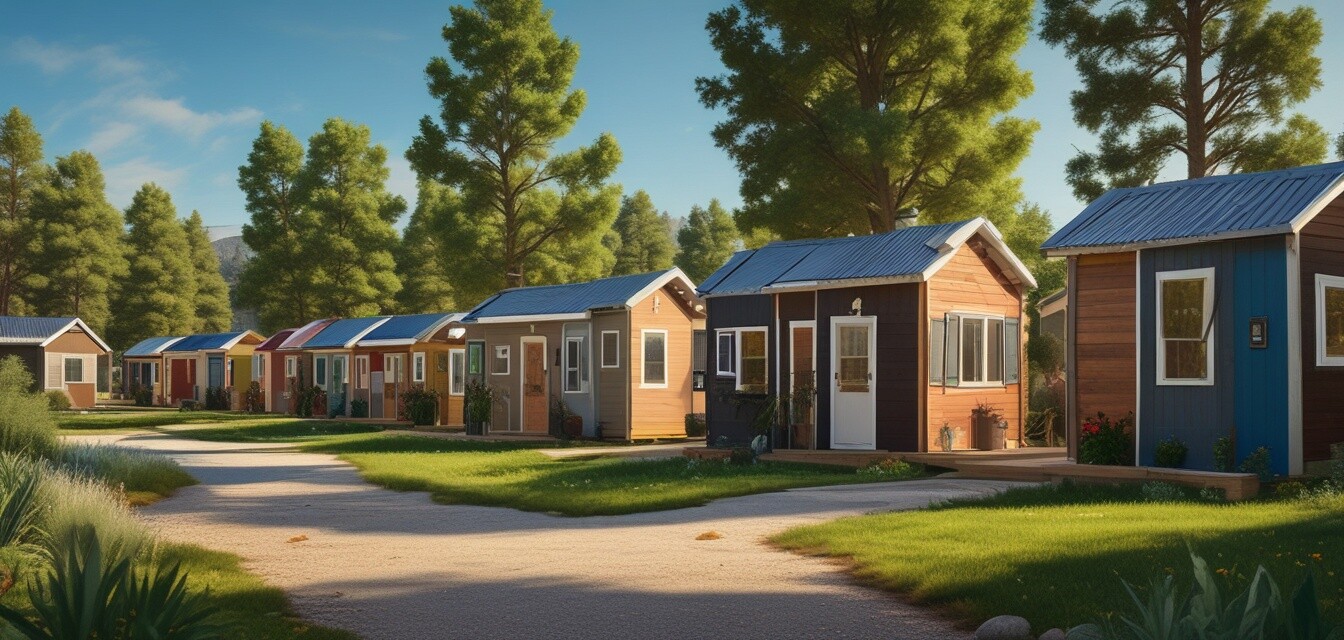
Tiny home communities consist of several small dwellings grouped together, typically on a shared plot of land. These communities might offer various amenities, including communal gardens, shared recreational spaces, and sustainability initiatives. They promote a lifestyle that prioritizes minimalism and community living.
The benefits of tiny home communities
Living in a tiny home community comes with several advantages:
- Affordability: Reduced housing costs compared to traditional homes.
- Sustainability: Efficient use of resources and eco-friendly building practices.
- Community feeling: Neighbors become friends and foster a strong support system.
- Flexibility: Many tiny homes can be moved or customized to suit individual needs.
Challenges faced by tiny home communities
Despite their appeal, tiny home communities face unique challenges:
- Zoning restrictions: Many areas have strict regulations that hinder the establishment of such communities.
- Financing issues: Securing loans for tiny homes can be complicated.
- Infrastructure needs: These communities must ensure proper access to utilities and amenities.
Examples of thriving tiny home communities
Across the United States and beyond, various tiny home communities exemplify successful prefab living. Here are a few notable examples:
| Community Name | Location | Notable Features |
|---|---|---|
| Escape Tampa Bay | Florida, USA | Sustainable living, events, and workshops. |
| Tiny House Village | Seattle, Washington, USA | Community garden, eco-friendly practices. |
| Blue Sky Village | Oregon, USA | Shared amenities, off-grid options. |
Innovations in design and sustainability
As the tiny home movement continues to flourish, innovative designs and sustainable materials become more prevalent. Smart home technologies, solar panels, and reclaimed materials are just a few examples of how modern prefab homes enhance the quality of life for residents. For more information on energy solutions that help tiny home dwellers, check out our guide on energy solutions.
Connecting with the tiny home community
Engaging with the tiny home movement can be both rewarding and enriching. There are numerous online forums, social media groups, and local events where enthusiasts share ideas and support each other. Additionally, exploring resources and articles in our News and Trends section can keep you informed about the latest developments and opportunities in the world of tiny living.
Tips for starting your tiny home journey
- Research local zoning laws before purchasing land.
- Choose a design that maximizes space efficiency.
- Consider your lifestyle preferences when selecting a community.
- Join online communities to seek advice and inspiration.
Conclusion
The movement towards tiny home communities is a growing trend that benefits individuals and the environment alike. With a focus on affordability, sustainability, and community, these innovative living spaces provide an attractive alternative to traditional housing. By understanding the advantages and challenges associated with tiny homes, you can make informed decisions that align with your lifestyle goals.
Pros
- Lower maintenance costs.
- Promotes a minimalist lifestyle.
- Encourages community engagement.
- Paves the way for eco-friendly innovations.
Cons
- Limited living space.
- Potential isolation from urban areas.
- Challenges in financing and insurance.
- Resistance from local governments.