
Disclosure: This content may contain affiliate links. If you purchase through these links, this website may earn a commission at no additional cost to you. As an Amazon Associate, we earn from qualifying purchases. Some content on this website may be created with the assistance of AI tools and editorial research to help provide helpful information, comparisons, and recommendations for readers.
The Shift Toward Prefab Homes in Urban Areas
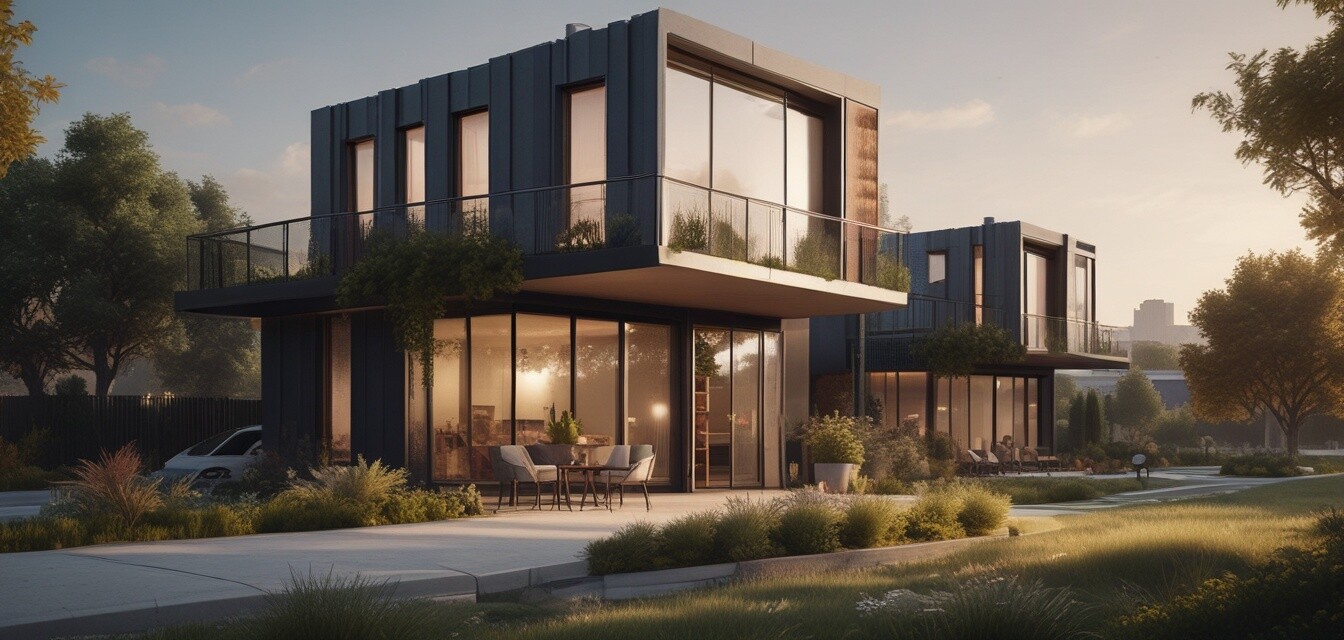
The trend toward prefab homes is gaining momentum, particularly in urban areas where space is at a premium. This article explores the rising popularity of prefab homes, highlighting the benefits and challenges associated with this contemporary solution to housing. As cities continue to grow and evolve, understanding the shift toward prefabricated living can provide valuable insights for anyone considering small space living.
Key Takeaways
- Prefab homes offer sustainable and efficient living solutions, especially in urban settings.
- They can be built quickly compared to traditional homes, addressing immediate housing shortages.
- Challenges include zoning regulations, initial costs, and public perceptions.
- Prefab homes are customizable and can utilize eco-friendly materials.
- Urban prefab living invites a community-focused lifestyle.
Why Are Prefab Homes Gaining Popularity?
The shift toward prefab homes is driven by multiple factors, particularly in urban environments where traditional housing solutions may not suffice. Here are the primary reasons for the growing appeal:
- Efficiency: Prefab homes can be produced in a fraction of the time it takes to build a traditional home. This efficiency helps combat housing shortages in densely populated areas.
- Customizability: Many companies offer options for customization, allowing buyers to design homes according to their needs and preferences.
- Eco-friendly materials: An increasing number of prefab homes are built with sustainable materials, appealing to environmentally conscious consumers.
- Cost-effective: The price point of prefab homes can be lower than traditional homes, making them more accessible for first-time homeowners.
Challenges of Urban Prefab Living
Despite the numerous benefits, there are challenges faced by those interested in prefab homes in urban areas. Some of these challenges include:
| Challenge | Description |
|---|---|
| Zoning regulations | Many cities have strict zoning laws that may limit where prefab homes can be placed or how they are constructed. |
| Initial costs | While prefab homes can be cost-effective over time, the initial investment required can be significant. |
| Perception issues | There can be a stigma associated with prefab living, as some people perceive them to be inferior to traditional homes. |
The Role of Community in Prefab Living
Urban prefab homes are not just about the structures themselves; they allow for the creation of vibrant communities. When designed thoughtfully, these homes can foster neighborhood connections and enhance social interaction. Some key aspects of community-focused prefab living include:
- Shared spaces: Many prefab developments include communal areas for gatherings, gardening, or co-working spaces.
- Accessibility: Prefab homes can be designed to cater to a range of lifestyles, from individuals to families, thereby promoting inclusivity.
- Encouraging sustainable practices: Communities designed around prefab living often promote shared resources, reducing waste and fostering sustainability.
Emerging Trends in Prefab Housing
As the market for prefab homes continues to grow, several trends are shaping the future of urban living:
- Smart home integration: The incorporation of smart technology into prefab homes is becoming increasingly popular, offering convenience and sustainability.
- Modular designs: Modular prefab homes allow for expansion and flexibility, catering to the changing needs of families.
- Eco-friendly options: As environmental awareness grows, builders are utilizing more sustainable materials and energy-efficient designs.
Environmentally Friendly Practices
The focus on sustainability in prefab homes aligns with a growing demand for eco-friendly living. Online resources explore this aspect further, such as our article on lifestyle tips for sustainable living. By incorporating green building practices, prefab homes are setting a precedent for future residential projects.
Conclusion
The shift toward prefab homes in urban areas signifies a change in how we view housing and community living. While challenges exist, the benefits of sustainability, efficiency, and community-focused designs make prefab homes a compelling choice for many. As this trend evolves, we can expect to see a transformation in urban landscapes, bringing more efficient and adaptable living solutions to the forefront.
Pros
- Time efficiency in construction
- Potentially lower cost of living
- Customizable designs to suit personal preferences
- Encouragement of eco-friendly practices
Cons
- Initial costs can be high
- Challenges with zoning regulations
- Potentially negative perceptions of prefab living
- Limited availability in specific urban areas
For more information on the latest updates and trends in the world of prefab homes, visit our news and trends page. Discover how these innovative solutions might just fit into your future living plans.
