Disclosure: This content may contain affiliate links. If you purchase through these links, this website may earn a commission at no additional cost to you. As an Amazon Associate, we earn from qualifying purchases. Some content on this website may be created with the assistance of AI tools and editorial research to help provide helpful information, comparisons, and recommendations for readers.
The Impact of Renewable Energy on Tiny Living
Key Takeaways
- Renewable energy sources are essential for sustainable tiny living.
- Solar panels are a popular choice due to their adaptability and efficiency.
- Wind energy can complement solar solutions in many locations.
- Integrating renewable energy solutions reduces the carbon footprint of tiny homes.
- Investing in energy solutions enhances off-grid living experiences.
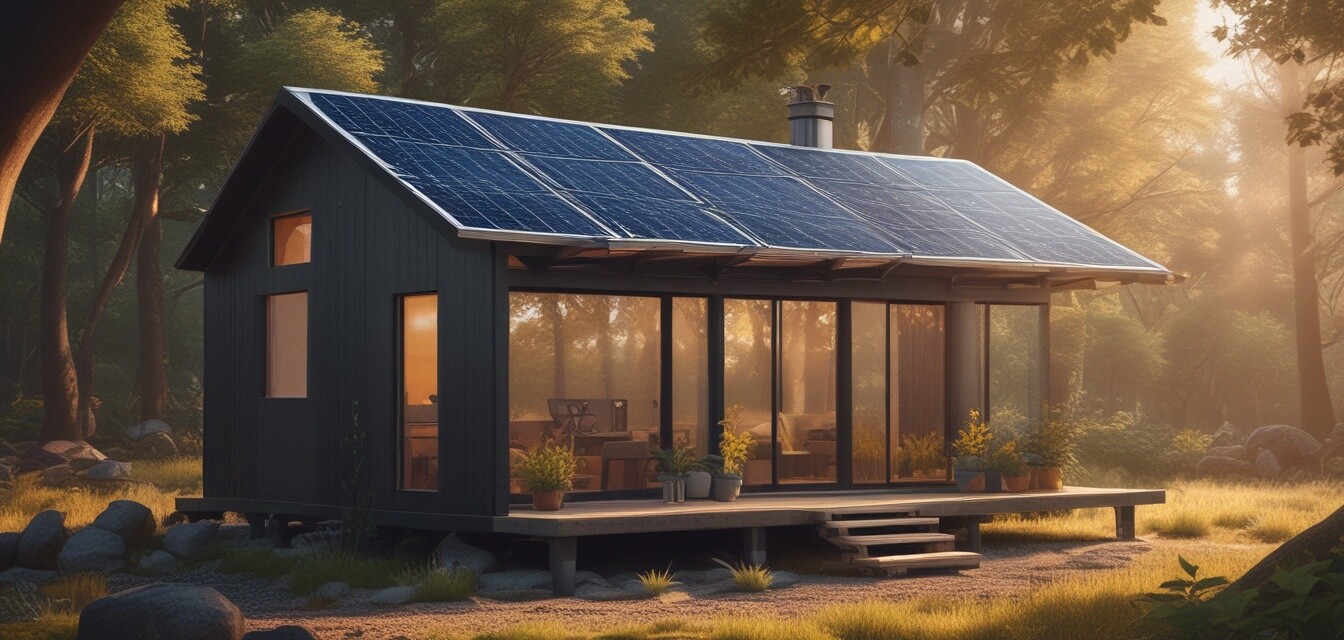
The movement towards tiny living is not just about minimizing space; it's also about embracing sustainability. As the tiny house movement grows, the adoption of renewable energy technologies is becoming pivotal in making these compact homes self-sufficient and eco-friendly. In this article, we’ll explore the various renewable energy solutions, focusing primarily on solar and wind power, and how these technologies are reshaping the tiny living experience.
The Rise of Renewable Energy in Tiny Living
Renewable energy sources, particularly solar and wind, are changing the way we think about energy consumption in small spaces. Tiny homes, often designed for a simpler, more sustainable lifestyle, benefit significantly from these energy solutions. With a growing number of people choosing to live off-grid, renewable energy systems are no longer just an option; they are a necessity.
Benefits of Renewable Energy for Tiny Homes
- Cost Savings: Reduced utility bills and lower reliance on traditional energy providers.
- Environmental Impact: A significant reduction in carbon emissions.
- Energy Independence: Freedom from fluctuating energy prices and grid dependency.
- Increased Property Value: Homes equipped with renewable energy systems often see an increase in their market value.
Popular Renewable Energy Solutions for Tiny Homes
Solar Energy
Solar panels have become the go-to solution for tiny living. Their functionalities and adaptability make them ideal for prefabricated homes, which often have limited roof space.
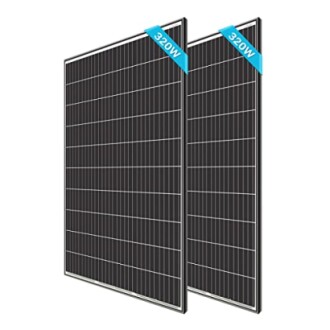 High Efficiency
Renogy 640W Monocrystalline Solar Panel
This advanced solar panel features an efficiency of 21% and is built for durability with enhanced anti-corrosion technology.
Learn MoreWind Energy
While solar panels dominate the renewable energy scene, wind turbines are also playing a significant role. Wind energy can be a complementary energy source, especially in locations with consistent wind patterns.
Comparing Solar and Wind Energy Solutions
| Aspect | Solar Energy | Wind Energy |
|---|---|---|
| Installation Cost | Lower installation and maintenance costs | Higher initial investment; requires space |
| Energy Generation | Effective in sunny climates; adaptable | Best in windy regions; effective regardless of weather |
| Size and Space | Requires roof or ground space for panels | Requires open space for turbine installations |
| Longevity | Typically last 25 years or more | Lasts around 20-25 years with maintenance |
Emerging Trends in Renewable Energy for Tiny Living
| Trend | Description |
|---|---|
| Hybrid Systems | Combining solar and wind energy for optimal energy generation. |
| Energy Storage Solutions | Advanced battery systems that store energy for later use are becoming more popular. |
| Smart Grid Integration | Integration of renewable systens with smart home technologies enhances energy efficiency. |
Integrating Renewable Energy in Tiny Living Spaces
When designing or retrofitting a tiny home, consider these key factors:
- Assess your location's solar and wind potential.
- Choose compact, efficient systems that fit your space.
- Explore government incentives for renewable energy installations.
- Consider energy storage options that will provide backup during lower production times.
Case Studies: Successful Tiny Homes with Renewable Energy
Many tiny home owners have successfully integrated renewable energy solutions. Here are two examples:
-
Off-Grid Tiny Cabin in the Woods:
This cabin utilizes a combination of solar and wind energy systems, significantly reducing reliance on traditional energy sources.
-
Eco-Friendly Tiny Home on Wheels:
A well-designed tiny home on wheels with a solar panel roof and a small wind turbine, allowing for complete off-grid living while traveling.
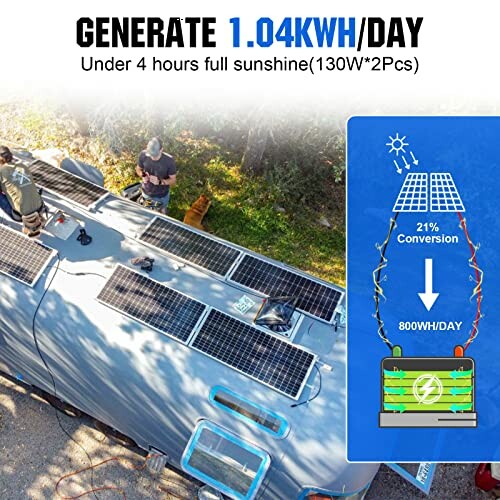 Ultimate Off-Grid Solution
ECO-WORTHY 260Watt Flexible Solar Panel Kit
An excellent choice for off-grid living, this kit includes flexible panels perfect for uneven surfaces.
Learn MoreConclusion
The move towards renewable energy in tiny living is not just a trend but a necessity for a sustainable future. By adopting solar and wind solutions, tiny homeowners can enjoy energy independence while minimizing their environmental footprint. Being smart about energy solutions will not only enhance your living experience but contribute positively to our planet's well-being.
Pros
- Cost-effective long-term energy savings.
- Low environmental impact.
- Increased independence from traditional utilities.
- Boosts property value through sustainable practices.
Cons
- High initial setup costs.
- Dependence on climate conditions (e.g., sunlight, wind).
- Space requirements may be restrictive in certain areas.