Disclosure: This content may contain affiliate links. If you purchase through these links, this website may earn a commission at no additional cost to you. As an Amazon Associate, we earn from qualifying purchases. Some content on this website may be created with the assistance of AI tools and editorial research to help provide helpful information, comparisons, and recommendations for readers.
Prefab Homes and Urbanization: A Solution?
Key Takeaways
- Prefab homes are cost-effective and quick to construct, addressing urban housing shortages.
- These homes promote sustainable living with eco-friendly materials and energy solutions.
- Urbanization presents unique challenges, but prefab homes can offer innovative solutions.
- Integration of smart home devices can enhance the living experience in tiny spaces.
- The tiny home movement is gaining popularity among those seeking minimalist lifestyles in urban settings.
The rapid pace of urbanization has led to significant housing shortages in cities across the globe. As populations swell and traditional housing options prove increasingly unsustainable, many are turning to innovative solutions. One such solution that has gained traction is the use of prefabricated homes. In this article, we will delve into how prefab homes can respond to the challenges posed by urbanization.
Understanding Urbanization and Housing Shortages
Urbanization is defined as the migration of people from rural to urban areas, often in search of better job opportunities and living standards. This trend has led to crowded cities, where the demand for affordable housing far exceeds supply.
The rise of urban populations
As populations grow, cities can struggle to keep pace with housing demands. Factors contributing to this issue include:
- High real estate prices, making home ownership unattainable for many.
- Inadequate infrastructure unable to support burgeoning populations.
- Limited space for new housing developments.
Prefab Homes: A Viable Alternative?
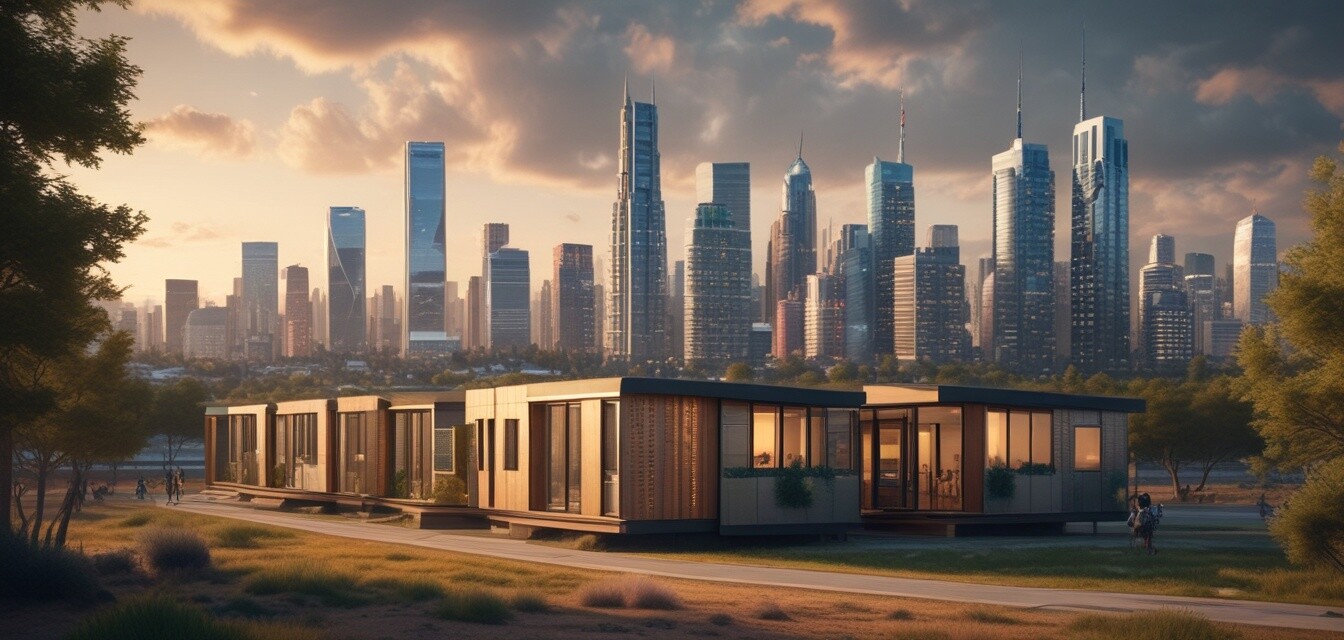
Prefab homes have emerged as a potential solution to the pressing urban housing crisis. These homes, built in factories and transported to their final locations, offer several distinct advantages:
Benefits of prefab homes
| Benefit | Description |
|---|---|
| Speed of construction | Prefab homes can be constructed in a fraction of the time it takes for traditional builds, addressing urgent housing needs rapidly. |
| Cost-effective | Reduced construction times and materials costs allow for more affordable housing options. |
| Sustainability | Many prefab homes use eco-friendly materials and energy-efficient technologies, contributing to lower environmental footprints. |
| Customizability | Prefab homes can be tailored to homeowners’ preferences while still benefiting from streamlined production. |
Urban Integration of Prefab Homes
As cities look to integrate prefab homes into their landscapes, several key factors come into play. Understanding zoning laws, community acceptance, and logistical challenges is essential.
Zoning challenges
Many urban areas have restrictive zoning laws that inhibit the installation of prefab homes. However, as the demand for affordable housing increases, cities are revising these regulations to accommodate new building methods.
Community acceptance
Engagement with local communities is vital for the successful adoption of prefab homes in urban settings. Programs designed to educate residents about the benefits of prefab living can foster acceptance and support.
The Role of Technology in Tiny Living
Technology plays a pivotal role in enhancing the appeal of prefab homes. The integration of smart home devices can significantly improve the functionality and usability of compact living spaces.
Smart solutions
Incorporating technology into prefab homes can include:
- Smart thermostats that optimize energy usage.
- Remote access security systems for enhanced safety.
- Automated lighting and entertainment systems for convenience.
Emerging Trends in Prefab Housing
The tiny home movement reflects a broader trend towards simplifying lifestyles and reducing environmental impacts. Here are some exciting developments:
Eco-conscious materials
Builders are increasingly using sustainable materials in prefab construction, aligning with the principles of green living. These innovations not only improve the quality of homes but also contribute to an eco-friendly lifestyle.
Design aesthetics
Modern prefab homes are breaking the mold of conventional design, focusing on aesthetics that appeal to younger generations. Features often include:
- Open floor plans for maximized living space.
- Large windows that provide natural light.
- Unique architectural designs that stand out.
Conclusion
Prefab homes represent a promising solution to the housing challenges faced by rapidly urbanizing populations. By offering speed, cost-effectiveness, and sustainable living options, these homes can potentially reshape the way we think about urban housing. As cities continue to evolve, embracing innovative housing solutions like prefab homes is crucial to creating livable, affordable environments for all.
Pros
- Quick construction time for urgent housing needs.
- Lower costs compared to traditional housing methods.
- Eco-friendly materials contribute to sustainability.
- Customizable options to meet individual preferences.
Cons
- Potential zoning and building regulation hurdles.
- Community pushback in some urban areas.
- Limited design choices in some frameworks.
Learn More
For more insights into tiny living solutions and sustainable practices, explore our news and trends section for the latest updates. Additionally, check out our comprehensive buying guides for tips on selecting the best prefab options for your needs.