Disclosure: This content may contain affiliate links. If you purchase through these links, this website may earn a commission at no additional cost to you. As an Amazon Associate, we earn from qualifying purchases. Some content on this website may be created with the assistance of AI tools and editorial research to help provide helpful information, comparisons, and recommendations for readers.
How Prefab Homes are Reshaping Housing Affordability
Key Takeaways
- Prefab homes offer a cost-effective solution to housing shortages.
- These homes reduce construction time significantly.
- They utilize sustainable materials and eco-friendly practices.
- The rise of smart home technology is making prefab living smarter.
- Growing acceptance of alternative living spaces is creating a vibrant market.
Housing affordability is a pressing issue in many urban areas across the globe. With rising real estate prices and stagnant wage growth, the quest for affordable living spaces continues. Prefabricated homes, commonly known as prefab homes, are emerging as a potential solution to this dilemma. This article explores how these innovative living solutions are making housing more affordable and accessible.
The Rise of Prefab Homes
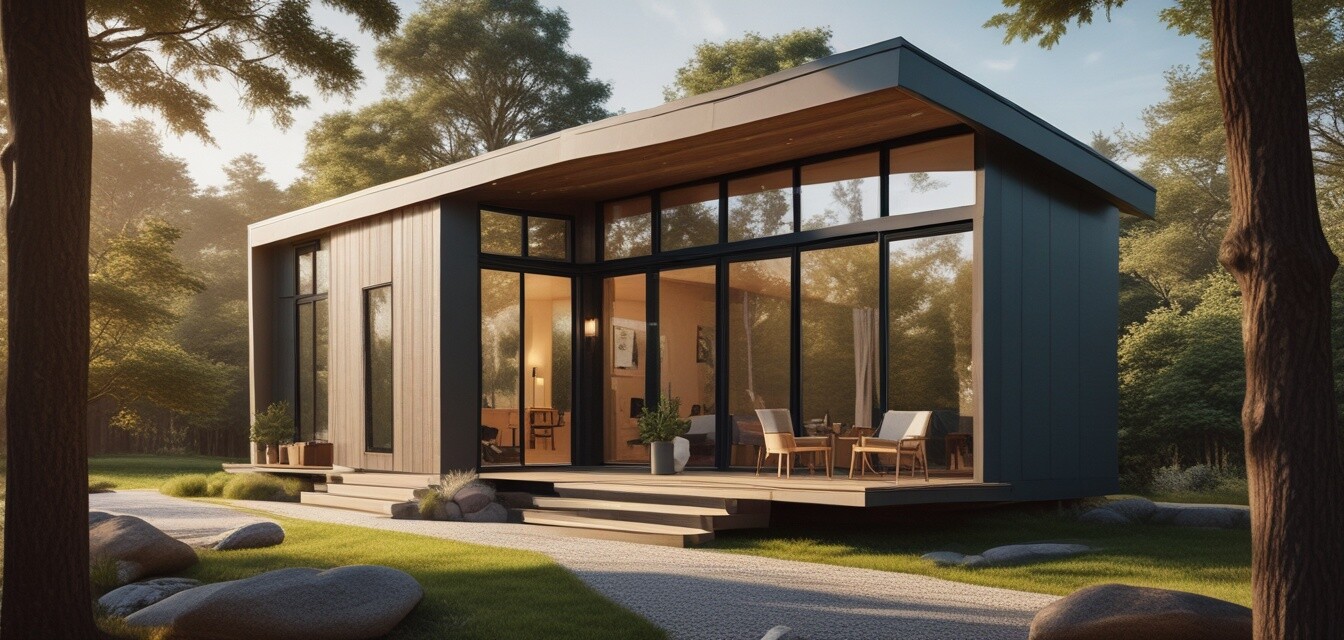
Prefab homes are constructed in a factory setting and then transported to their final location. This method stands in stark contrast to traditional building methods, which can be time-consuming and labor-intensive. Over the past decade, the popularity of prefab homes has surged due to several factors:
- Cost efficiency: Lower construction costs mean better pricing for buyers.
- Time savings: Building a prefab home can take as little as a few weeks.
- Design flexibility: Many manufacturers offer customizable options.
How Prefab Homes Help Address Housing Shortages
The global housing crisis has seen numerous attempts to find solutions. Prefab homes are becoming a viable answer. Here are some key ways they help:
1. Speed of Construction
Because prefab homes are built in controlled environments, they can be constructed much faster than traditional homes. This efficiency allows for rapid deployment in areas facing housing shortages.
2. Reduced Costs
The average cost of a prefab home tends to be lower than that of a traditional home. Here is a simplified comparison of typical costs:
| Type of Home | Average Cost (per square foot) |
|---|---|
| Traditional Home | $150 - $300 |
| Prefab Home | $100 - $200 |
3. Sustainable Solutions
Many prefab home manufacturers focus on sustainability. They use environmentally friendly materials and building practices, which not only benefit the earth but also reduce utility costs for homeowners. To explore more on eco-friendly materials, check out our section on sustainable materials.
The Impact of Smart Technology
The integration of smart technology in prefab homes contributes to their affordability as well. Smart home devices help in monitoring energy usage and ensuring efficient consumption, which ultimately lowers monthly bills. If you’re interested in how these technologies can enhance tiny living, visit our page on smart home devices.
Challenges Ahead
Despite their potential, prefab homes face challenges. Some communities view them as less desirable due to misconceptions about quality and aesthetic appeal. Addressing these concerns is critical for the long-term acceptance of prefab living. Additionally, local zoning laws can sometimes act as barriers to the installation of prefab homes.
Pros
- Faster construction time compared to traditional homes.
- Lower overall costs and reduced material waste.
- Environmentally sustainable construction options available.
- Customizable designs to fit individual needs and preferences.
Cons
- Possible perception of lower quality compared to traditional homes.
- Regulatory challenges in certain areas.
- Limited financing options in some cases.
What Lies Ahead for Prefab Homes
The future looks promising for prefab homes in addressing housing affordability. As construction technology continues to advance, prefab homes may incorporate even more innovations that could further lower costs and enhance livability. The shift towards small space living also indicates that more individuals may choose these homes, leading to a broader acceptance of this housing solution.
Conclusion
Prefab homes are not just a trend; they represent a fundamental shift in the way we think about housing. Their ability to provide affordable, sustainable, and timely housing solutions makes them a key player in the ongoing battle against the housing crisis. To stay updated on the latest news and trends in prefab homes and tiny living, visit our News and Trends category.
Embracing prefab homes could be one of the most significant steps toward achieving housing affordability for all.