
Disclosure: This content may contain affiliate links. If you purchase through these links, this website may earn a commission at no additional cost to you. As an Amazon Associate, we earn from qualifying purchases. Some content on this website may be created with the assistance of AI tools and editorial research to help provide helpful information, comparisons, and recommendations for readers.
Innovations in Prefabricated Home Designs for 2025
Key Takeaways
- 2025 is set to showcase cutting-edge design innovations in prefabricated homes.
- Emphasis on sustainability and eco-friendly materials is stronger than ever.
- Smart home integration is evolving rapidly, enhancing modern living.
- Flexible and modular designs are on the rise, catering to a variety of lifestyles.
- Outdoor living spaces are becoming essential extensions of tiny homes.
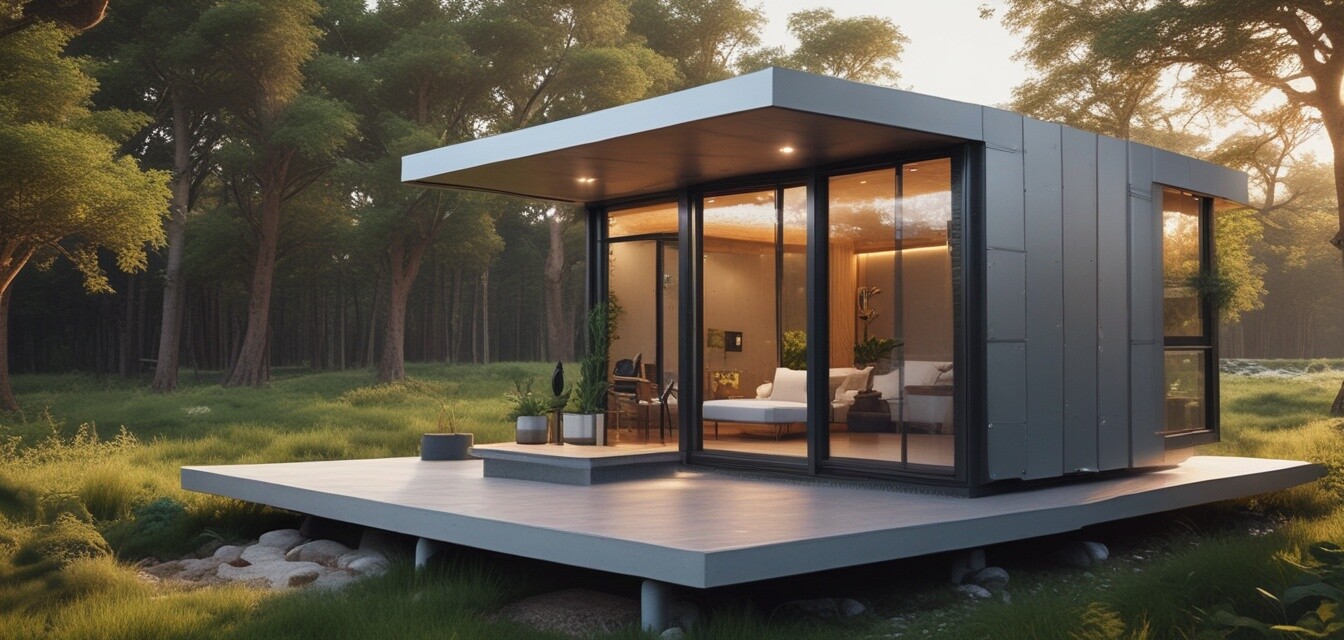
The world of tiny living is entering a new era in 2025, with innovative designs in prefabricated homes that not only enhance functionality but also embody eco-friendliness and modern aesthetics. The evolution of prefabricated homes represents a merging of technology, sustainability, and design trends that promise to change the way we think about living spaces.
1. Sustainable Materials Revolution
In recent years, there has been a growing awareness of sustainability in construction. In 2025, expect to see prefabricated homes made from materials that are not only renewable but also recyclable. These innovations aim to reduce the overall carbon footprint of housing.
| Material | Description | Advantages |
|---|---|---|
| Bamboo | A fast-growing grass that is strong and lightweight. | Durable, sustainable, and minimizes deforestation. |
| Recycled Steel | A strong material that can be recycled repeatedly without losing strength. | Efficient use of scrap, reduces landfill waste. |
| Hempcrete | A mix of hemp fibers and lime, creating a lightweight building material. | Insulating properties, carbon-negative production. |
2. Integration of Smart Home Technology
As technological advancements continue to shape our daily lives, the integration of smart home devices in prefabricated homes is expected to rise drastically. This trend enhances convenience and energy efficiency.
- Smart Thermostats: Automatically adjust temperature settings for optimal energy use.
- Security Systems: Advanced monitoring and alerts for safety.
- Automated Lighting: Energy-efficient solutions that adapt to daily routines.
This integration not only improves day-to-day functions but also appeals to tech-savvy homeowners who prioritize control and customization in their living spaces. For more on these devices, check out our section on Smart Home Devices.
3. Flexible and Modular Designs
One of the most exciting innovations in 2025 is the emphasis on modular and flexible designs. The ability to adapt living spaces according to the homeowner's needs is becoming more prevalent.
| Design Feature | Traditional Homes | Modular Prefabs |
|---|---|---|
| Size | Fixed dimensions | Customizable layouts |
| Expansion | Complex renovations | Easy additions |
| Transportability | Stationary | Portable units |
This flexibility allows homeowners to create spaces that grow with their needs, making this a popular choice for young families and remote workers alike. Check out our guide on Buying Guides for more information on how to select your ideal tiny home configurations.
4. Outdoor Living Spaces
The movement towards outdoor living is a result of the growing appreciation for nature and a desire for more functional outdoor areas. In 2025, we expect to see prefabricated homes featuring designs that seamlessly blend indoor and outdoor living.
- Patios and Decks: Expanding the living area outside.
- Green Roofs: Providing insulation and promoting biodiversity.
- Outdoor Kitchens: Perfect for entertaining and sustainable cooking.
These designs not only enhance the aesthetic appeal of homes but also improve overall lifestyle quality. For tips on enhancing outdoor spaces, visit our section on Outdoor Living & Extensions.
5. Innovative Layouts and Space Optimization
Space is often a concern in tiny homes. However, innovations in space optimization are paving the way for efficient layouts that maximize functionality.
| Layout Type | Space Utilization | Features |
|---|---|---|
| Open Concept | Minimized partitions | Increased flow and natural light |
| Multi-Functional Rooms | Combined uses for flexibility | Convertible furniture and storage options |
| Vertical Spaces | Utilization of height | Lofts and raised furniture |
Such layouts promote efficient living while ensuring that homes are stylish and comfortable. Explore more about space-saving ideas on our site under Lifestyle Tips.
Tips for Embracing Prefabricated Innovations
- Consider your lifestyle and choose materials that align with your values.
- Don’t overlook the importance of smart technology in modern living.
- Emphasize outdoor spaces; they add value and improve quality of life.
- Always check for space optimization techniques.
Pros
- Efficient use of resources and materials.
- Customization options cater to individual needs.
- Enhanced energy efficiency with modern technologies.
Cons
- Initial costs can be high in some cases.
- Limited designs depending on manufacturer.
- Still a relatively niche market in certain areas.
Conclusion
As we step into 2025, the prefabricated homes market is set to welcome innovations that prioritize sustainability, technology, and adaptable living spaces. The trends highlighted in this article showcase how the future of prefabricated homes is not only about building structures but also creating homes that foster a better lifestyle. Keep an eye on these trends to ensure you make the most informed decisions for your living space.
