
Disclosure: This content may contain affiliate links. If you purchase through these links, this website may earn a commission at no additional cost to you. As an Amazon Associate, we earn from qualifying purchases. Some content on this website may be created with the assistance of AI tools and editorial research to help provide helpful information, comparisons, and recommendations for readers.
The growth of tiny living communities
Key Takeaways
- Tiny living communities are on the rise as a solution to affordable housing.
- These communities emphasize sustainability and eco-friendly practices.
- Community building is a core value, fostering connections among residents.
- Minimalist lifestyle choices lead to financial savings and reduced environmental impact.
- Innovative building techniques and materials are paving the way for tiny homes.
The concept of tiny living is not just a trend; it's a movement reshaping how people view home ownership, sustainability, and community. As the shift toward minimalism gains momentum, tiny living communities are emerging as a popular solution to housing challenges and environmental concerns.
What is a tiny living community?
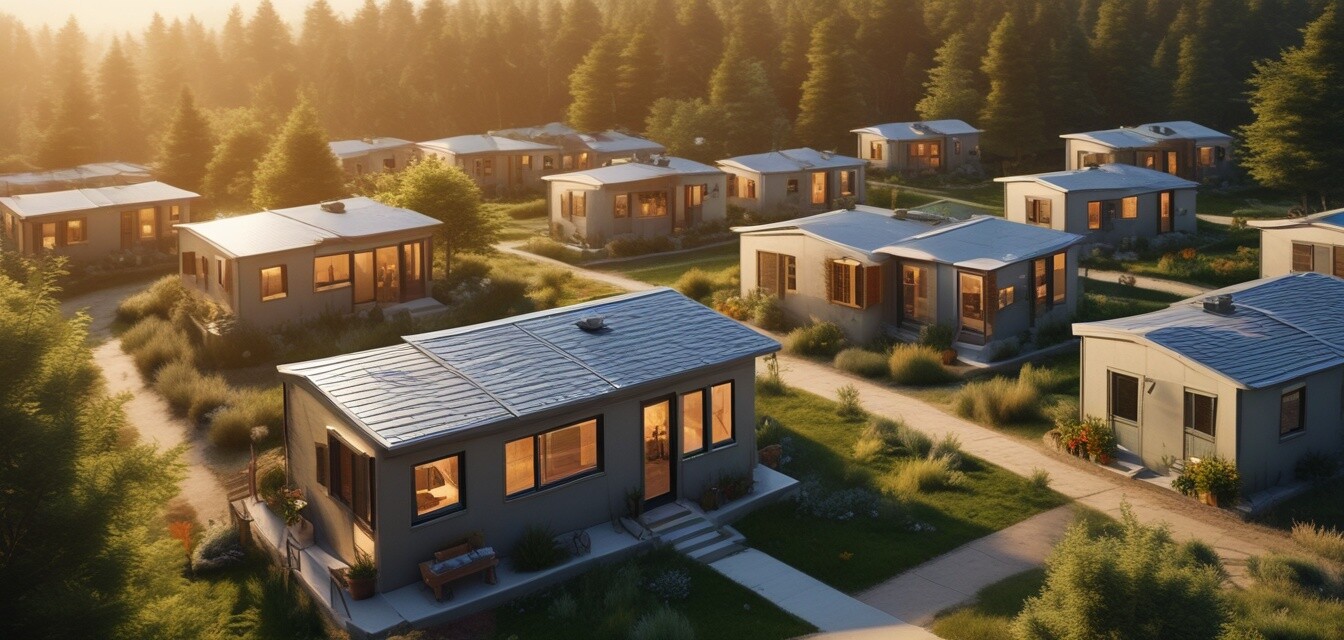
A tiny living community consists of small, often prefabricated homes, designed to encourage a minimalist lifestyle. These communities promote sustainable living through reduced consumption and shared resources. Here are some key features:
- Compact home designs that maximize space.
- Shared amenities like gardens, workshops, and social spaces.
- Strong focus on eco-friendly building materials and energy-efficient solutions.
- Community engagement activities that foster relationships among residents.
The rise of tiny living communities
Recent years have seen a significant rise in the popularity of tiny living communities. This growth can be attributed to several factors:
Affordability
With skyrocketing real estate prices and increasing living costs, many individuals and families are looking for affordable housing options. Tiny homes provide a solution with lower purchase and maintenance costs. Below is a comparison of traditional homes versus tiny homes in terms of cost:
| Aspect | Traditional Home | Tiny Home |
|---|---|---|
| Average Price | $300,000 | $50,000 - $150,000 |
| Utility Costs | Higher | Lower |
| Maintenance | High | Minimal |
Sustainability
Tiny living communities often focus on eco-friendly practices. Residents typically embrace sustainable materials and energy-efficient technologies. Some key components include:
- Solar panels for energy independence.
- Rainwater harvesting systems.
- Composting toilets and sewage solutions.
- Use of reclaimed and sustainable materials.
Community building
One of the most appealing aspects of tiny living communities is the sense of belonging they foster. Unlike traditional neighborhoods where isolation can be common, tiny living encourages residents to connect and build strong relationships. Features that promote community include:
- Shared gardens and communal spaces.
- Regular community events and workshops.
- Opportunities for collaboration on various projects.
Challenges and considerations
While the rise of tiny living communities offers many advantages, there are also challenges to consider, such as:
Pros
- Lower overall living expenses.
- Reduced environmental impact.
- Increased community engagement.
Cons
- Limited living space may not suit everyone's needs.
- Zoning restrictions in certain areas.
- Potential lack of privacy in communal living settings.
Design trends in tiny living communities
Innovative building techniques and modern designs are central to the appeal of tiny living communities. Some of the prominent trends include:
- Open floor plans that make the most out of small spaces.
- Multi-functional furniture that serves multiple purposes.
- Natural light incorporation through large windows and skylights.
The future of tiny living communities
As society progresses, the demand for tiny living will likely continue to grow. With environmental awareness increasing and the need for affordable housing remaining critical, tiny living communities represent a sustainable lifestyle choice that aligns with many people's values. For those interested in exploring this trend, be sure to check our Buying Guides to learn more about how to transition to this lifestyle.
Final thoughts
The growth of tiny living communities signifies more than just a housing trend. It highlights a shift toward sustainability, community values, and minimalist living. As these concepts become increasingly vital in today's world, tiny living communities are expected to play a significant role in shaping future living environments.
Tips for those considering tiny living
- Evaluate your needs: Understand how much space and what amenities are essential for your lifestyle.
- Research zoning laws: Ensure the area you are considering allows for tiny homes.
- Connect with the community: Engage with current residents to learn about their experiences and insights.
- Explore various designs: Look into different layouts and configurations that cater to your needs.
