
Disclosure: This content may contain affiliate links. If you purchase through these links, this website may earn a commission at no additional cost to you. As an Amazon Associate, we earn from qualifying purchases. Some content on this website may be created with the assistance of AI tools and editorial research to help provide helpful information, comparisons, and recommendations for readers.
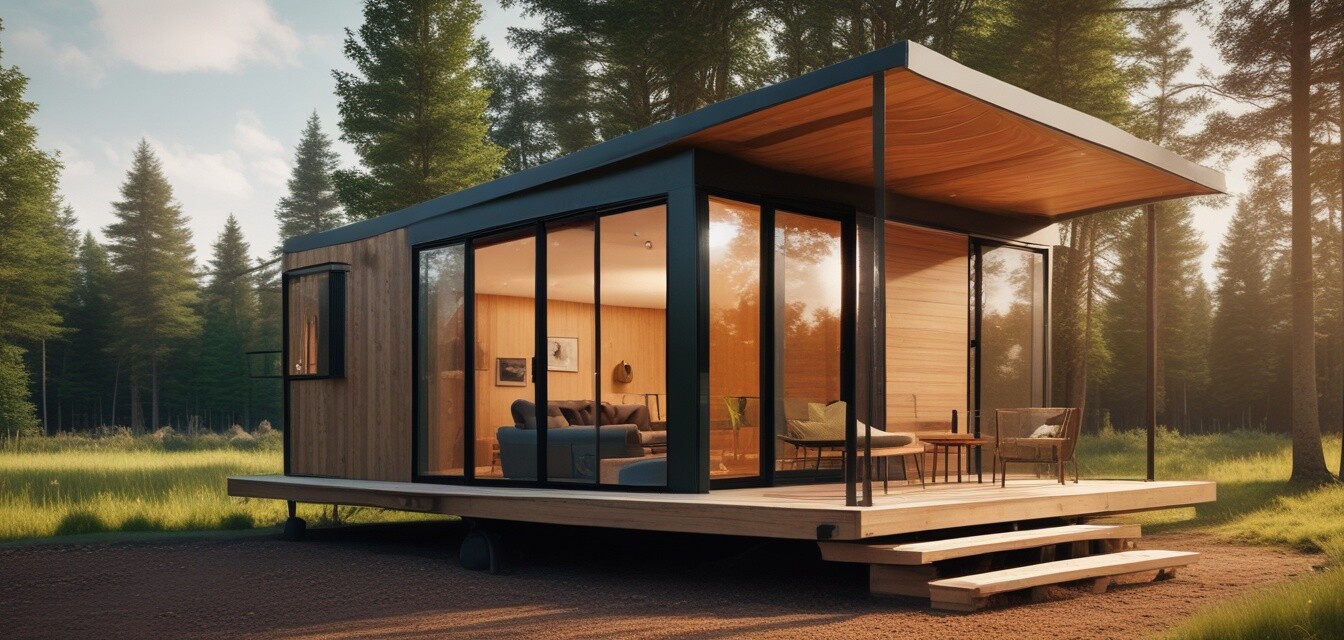
The Growth of Sustainable Living with Prefab Homes
Key Takeaways
- Prefab homes play a significant role in the shift toward sustainable living.
- Green building practices are implemented in the design and construction of prefab homes.
- Energy-efficient solutions are integral to modern prefab designs.
- Sustainable materials contribute to reduced environmental impact.
- Choosing a prefab home can lower both carbon footprint and living costs.
The demand for sustainable living practices is at an all-time high. As awareness of environmental issues grows, people are turning to innovative housing solutions that minimize impact on the planet. Prefab homes are emerging as a leading choice for sustainable living, offering numerous benefits ranging from eco-friendly materials to energy-efficient designs.
What are prefab homes?
Prefab homes, or prefabricated homes, are residential structures brought to life through a factory-based assembly process. Components are manufactured off-site and then transported to the building location for final assembly. This method not only speeds up construction but also reduces waste and disruptions on-site.
Advantages of prefab homes for sustainability
Prefab homes offer various advantages that contribute to sustainable living. Here are some notable benefits:
| Advantage | Description |
|---|---|
| Reduced Construction Waste | Prefab construction minimizes on-site waste, as materials are pre-cut and designed in bulk. |
| Eco-Friendly Materials | Manufacturers often use sustainable materials, including recycled products and responsibly sourced timber. |
| Energy Efficiency | Many prefab homes promote energy-efficient features, like superior insulation and energy-efficient appliances. |
| Lower Energy Costs | Energy-efficient designs lead to reduced utility bills for homeowners. |
| Faster Construction | Speedy assembly means homeowners can move into eco-friendly homes sooner. |
The role of sustainable materials in prefab homes
Choosing sustainable materials is crucial for maintaining a low environmental footprint. Many prefab homes use various eco-friendly building materials, which can include:
- Recycled metal siding
- Locally sourced timber
- Natural insulation options like sheep's wool or cellulose
- Low-VOC paints and finishes
- Solar panels
Integration of energy solutions
Energy solutions play a vital role in sustainable prefab homes. Many designs incorporate:
- Solar Energy: Harnessing solar power helps to reduce dependence on traditional energy sources.
- Smart Home Devices: These devices optimize energy usage, providing real-time data to homeowners.
- Rainwater Harvesting: Some homes are equipped to collect rainwater for irrigation or usage.
- Energy-Efficient HVAC: Innovative heating and cooling systems that use less power while maintaining comfort.
Impact on living costs
By investing in prefab homes, homeowners can significantly decrease their living expenses in various ways:
| Cost Factor | Impact |
|---|---|
| Initial Investment | Prefab homes are often cheaper to build than traditional homes due to reduced labor costs. |
| Utility Bills | Energy efficiency translates to lower monthly utility bills. |
| Maintenance | Durable, quality materials minimize the need for frequent repairs. |
| Insurance Costs | Some insurance companies provide discounts for sustainable homes, affecting long-term living costs. |
The future of prefab homes and sustainability
As technology and design concepts continue to evolve, prefab homes are likely to further enhance their role in sustainable living. Innovations in materials, renewable energy sources, and construction techniques will push the boundaries of eco-friendly housing.
Trends in prefab homes
Here are some notable trends in the prefab home sector:
- Increased demand for customizable tiny homes
- Focus on multifunctional spaces that maximize small footprints
- Integration of biophilic design principles that connect residents with nature
- Emphasis on community-oriented setups, promoting shared green spaces
Conclusion
Prefab homes represent a significant step toward sustainable living. By prioritizing eco-friendly materials, energy-efficient solutions, and cutting-edge design, they offer a path to greener living. As society continues to prioritize environmental responsibility, the trend of sustainable living with prefab homes is poised to grow.
Pros
- Eco-friendly construction
- Energy-efficient options
- Faster build times
- Customizable floor plans
- Cost-effective
Cons
- Limited availability in certain areas
- Potential zoning issues
- May require additional site preparation costs
- Less traditional appeal
For more insights on how to make the most of your small living space, explore our section on Buying Guides, or dive into the latest trends in prefab design with our News and Trends updates. Want to enhance your eco-friendly lifestyle? Check out our Sustainable Materials collection!
Stay connected with the growing community of tiny home enthusiasts and learn how prefab homes are shaping the future of sustainable living.
