
Disclosure: This content may contain affiliate links. If you purchase through these links, this website may earn a commission at no additional cost to you. As an Amazon Associate, we earn from qualifying purchases. Some content on this website may be created with the assistance of AI tools and editorial research to help provide helpful information, comparisons, and recommendations for readers.
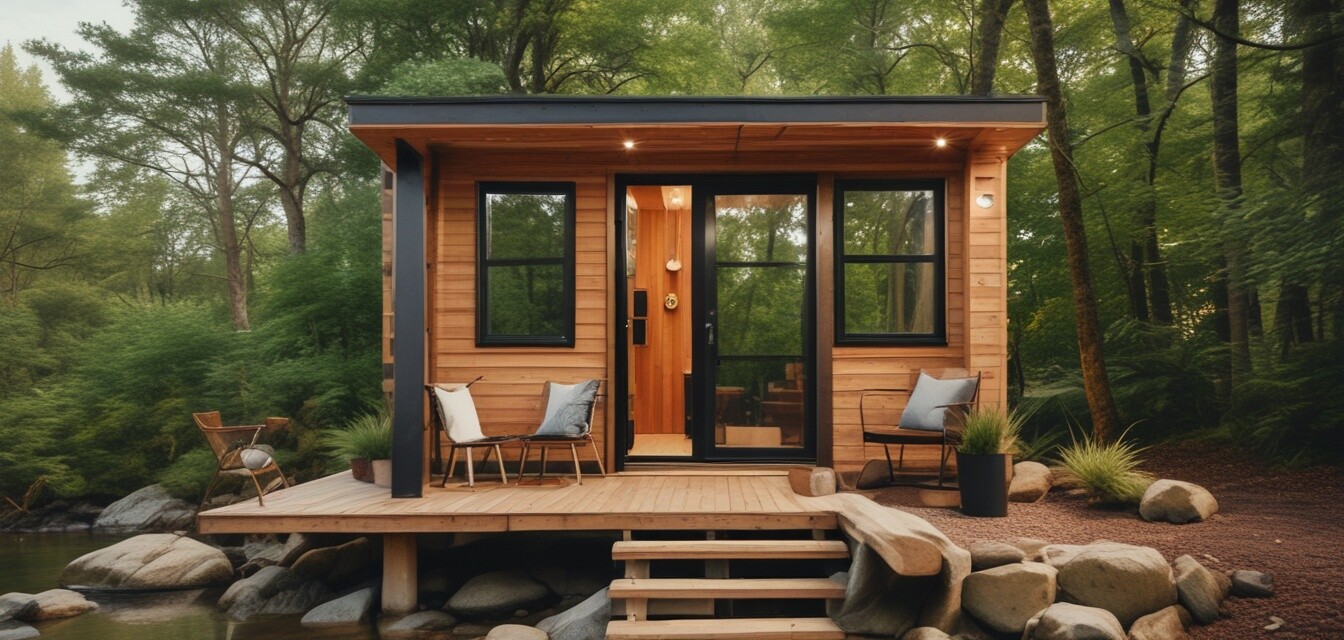
A Look at Eco-Friendly Innovations in Tiny Homes
- The tiny home movement emphasizes sustainability and efficient use of space.
- Innovations in materials such as recycled products and hempcrete are gaining popularity.
- Smart home technologies help enhance energy efficiency in tiny homes.
- Eco-friendly designs focus on reducing the carbon footprint and promoting off-grid living.
- Community engagement is crucial in fostering a sustainable tiny living culture.
The tiny home movement is not just a trend; it’s a lifestyle choice rooted in sustainability and efficient resource use. With rising concerns about climate change and urban overcrowding, many are turning towards eco-friendly innovations to create smaller living spaces that do not compromise on comfort or style. In this article, we will explore the latest advancements in eco-friendly technologies and materials used in tiny homes, shedding light on how these innovations are shaping the future of living.
Emerging Materials in Tiny Home Construction
When it comes to building tiny homes, the choice of materials can significantly impact sustainability. Here are some of the standout materials that are making waves in the prefab market:
| Material | Benefits |
|---|---|
| Recycled Steel | Durable, lightweight, and reduces the need for new raw materials. |
| Hempcrete | Insulates well, is lightweight, and is made from a sustainable crop. |
| Reclaimed Wood | Adds character and reduces deforestation impacts. |
| Rammed Earth | Excellent thermal mass, providing natural temperature regulation. |
| Sustainable Insulation | Materials like sheep wool and cellulose offer great insulation without harmful chemicals. |
Why Choose Sustainable Materials?
Choosing sustainable materials aligns with the core values of the tiny home movement—reducing waste and minimizing the carbon footprint. By opting for eco-friendly options, homeowners can enjoy a healthier living environment while contributing to a more sustainable future. For more insights on sustainable materials, check out our guide on Sustainable Materials.
Smart Technologies Enhancing Energy Efficiency
With the rise of smart home devices, tiny homes can now integrate advanced technologies that enhance energy efficiency. Here are some notable innovations:
| Technology | Description |
|---|---|
| Smart Thermostats | Regulate temperature based on occupancy and personal schedules. |
| Solar Panels | Generate renewable energy and can power appliances without relying on the grid. |
| LED Lighting | Energy-efficient bulbs that last longer and consume less electricity. |
| Smart Appliances | Devices that can be controlled remotely, optimizing energy usage. |
| Water-saving Fixtures | Low-flow faucets and showerheads reduce water consumption without sacrificing performance. |
Benefits of Smart Technologies
Incorporating smart technologies not only helps to save on energy costs but also promotes a smooth living experience within the confines of a smaller space. For further reading, check out our article on Smart Home Devices.
Eco-Friendly Design Principles
Alongside materials and technologies, design principles play a crucial role in the eco-friendly tiny home movement. Here are some key design features to consider:
- Passive Solar Design: Maximizes natural sunlight to reduce heating costs.
- Multi-Functional Spaces: Creative use of space to serve multiple purposes.
- Ventilation Strategies: Use of cross-ventilation helps reduce reliance on HVAC systems.
- Natural Landscaping: Incorporating native plants to promote biodiversity and reduce maintenance.
Designing for the Environment
By integrating eco-friendly design principles, builders and homeowners can create spaces that promote sustainability and minimize environmental impact. If you’re interested in learning more about how to design your tiny home, check out our Lifestyle Tips for even more practical advice.
Community and Eco-Friendly Living
The tiny home movement goes beyond individual homes; it fosters a sense of community. Many tiny home developments focus on shared resources and cooperative living, which can amplify the environmental impact.
Key Benefits of Tiny Home Communities
- Resource Sharing: Access to shared facilities reduces costs and waste.
- Supportive Networks: Inhabitants often collaborate on sustainability projects.
- Eco-Conscious Development: Communities can plan together for energy-efficient layouts.
For insights into outdoor living and how it complements tiny living, explore our page on Outdoor Living & Extensions.
Conclusion
The future of tiny homes lies in embracing eco-friendly innovations that cater to sustainability, within both materials and technologies. This harmonious approach not only supports individual desires for compact living but also contributes positively to the planet. As the tiny home community continues to grow, exploring eco-friendly practices can inspire more individuals to make responsible choices for the environment.
Pros
- Reduces environmental impact.
- Encourages sustainable living practices.
- Promotes resource efficiency.
- Offers potential cost savings on utilities.
Cons
- Initial costs can be higher for eco-friendly materials.
- Requires learning new technologies.
- Potential zoning restrictions for tiny homes.
