
Disclosure: This content may contain affiliate links. If you purchase through these links, this website may earn a commission at no additional cost to you. As an Amazon Associate, we earn from qualifying purchases. Some content on this website may be created with the assistance of AI tools and editorial research to help provide helpful information, comparisons, and recommendations for readers.
How COVID-19 Changed the Prefab Housing Market
- Significant increase in consumer interest for prefab homes post-COVID-19.
- Emergence of new design preferences focused on functionality and sustainability.
- Shift towards remote work has influenced the layout and features desired in homes.
- Growth in eco-friendly material usage among prefab housing manufacturers.
- Changing attitudes toward minimalism and tiny living as a result of pandemic experiences.
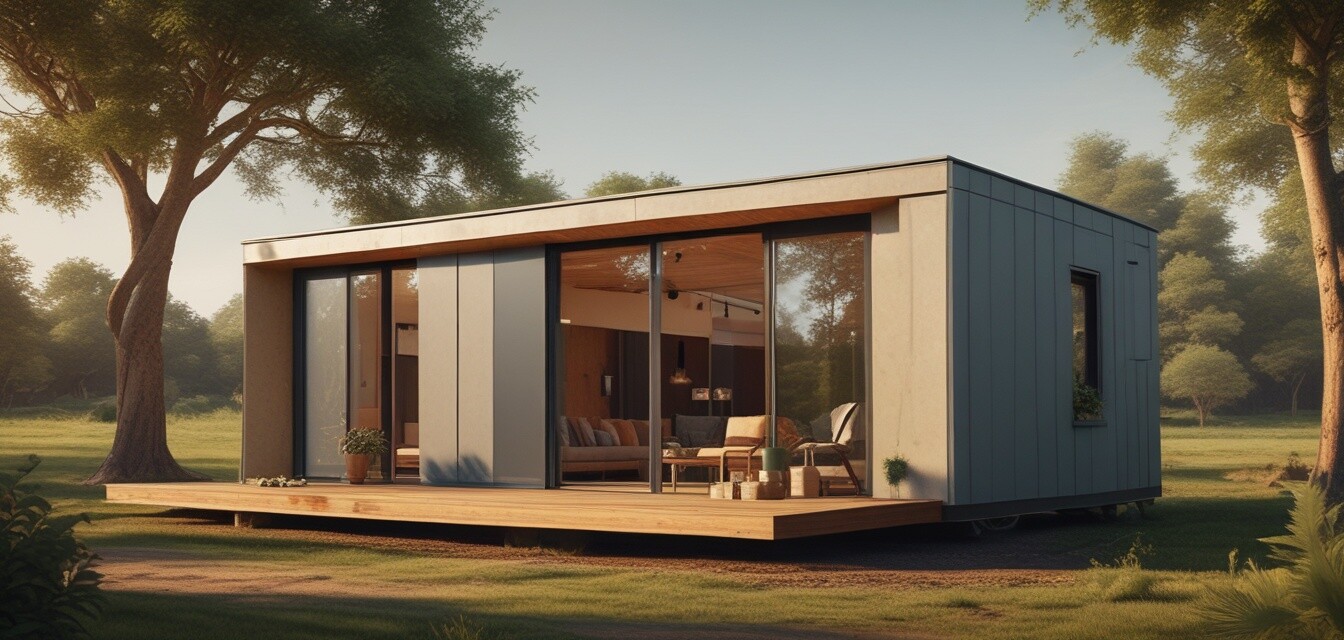
The COVID-19 pandemic has ushered in unprecedented changes across numerous sectors, and the prefab housing market is no exception. As people were confined to their homes, many began reconsidering their living situations. This shift has resulted in altered consumer preferences and significant changes in designs adopted by prefab housing manufacturers. In this article, we explore how COVID-19 has transformed the prefab housing market and what these changes mean for the future of living spaces.
Increasing Consumer Interest in Prefab Homes
The pandemic led to a surge in interest in prefab homes. With traditional housing options becoming scarce or financially unfeasible for many, prefab homes offer an attractive alternative. Here are some of the reasons driving this interest:
- Affordability: Many prefab homes present a more cost-effective option for potential homeowners, especially in uncertain economic times.
- Quick build times: The speed at which prefab homes can be constructed serves as a significant incentive for buyers looking to move quickly amid changing circumstances.
- Simplicity of design: Many consumers appreciate the straightforward, modern designs that prefab homes often feature.
Shifts in Design Preferences
As the need for comfortable and functional living spaces grew during the pandemic, so did the demand for specific design attributes in prefab homes. Here are some design preferences that have emerged:
| Design Preference | Description |
|---|---|
| Multi-functional Spaces | Rooms that can serve multiple purposes, catering to the needs of remote work and home activities. |
| Outdoor Integration | Designs featuring seamless transitions between indoor and outdoor spaces, enhancing natural light and ventilation. |
| Minimalist Aesthetics | A focus on clean lines, simple forms, and less clutter, motivated by a desire for stress-free living. |
Impact of Remote Work on Home Layouts
With many individuals adopting remote work, the need for home offices has skyrocketed. Potential buyers now look for features that accommodate their work-from-home lifestyles. This includes:
- Dedicated home office spaces or flexible areas that can be transformed into offices.
- High-speed internet connectivity options to support remote work activities.
- Soundproofing features to minimize distractions during work hours.
Growth in Eco-Friendly Materials
COVID-19 has amplified the conversation around sustainability. Buyers are now more inclined to seek eco-friendly materials for their homes. This interest is leading prefab manufacturers to innovate and offer greener options such as:
- Reclaimed wood and recycled materials.
- Energy-efficient appliances and technology.
- Water-saving plumbing fixtures and systems.
Changing Attitudes Towards Minimalism and Tiny Living
The pandemic has fostered a new appreciation for minimalist living. During lockdowns, many individuals found themselves reevaluating their possessions and the space they occupied. This shift in mindset has contributed to the rising popularity of tiny living. Key factors driving this trend include:
Tips for Embracing Minimalism in Tiny Living
- Declutter regularly to keep only essential items.
- Invest in multi-functional furniture that saves space.
- Embrace natural light to create an illusion of space.
- Choose a calming color palette that promotes tranquility.
Conclusion
The COVID-19 pandemic has made a lasting impact on the prefab housing market. Increased consumer interest, shifting design preferences, and a greater emphasis on sustainability are just a few of the changes we've observed. As the world continues to adapt to this new reality, the prefab housing market is likely to remain a dynamic arena for innovative solutions and design innovations. Whether you are considering a prefab home for your next living space or just want to stay updated with the latest trends, keep an eye on how these changes evolve.
Pros
- Increased affordability of housing solutions.
- Faster construction times than traditional homes.
- More emphasis on sustainable living practices.
Cons
- Limited customization options compared to traditional homes.
- Potential zoning challenges in certain areas.
- Some may perceive prefab homes as lower quality.
Stay tuned to our News and Trends section for more insights into how the prefab housing market continues to evolve, and don't forget to check out our Tiny Prefab Homes products for your next living adventure.
