
Disclosure: This content was generated with the assistance of AI and is not based on personal experience. It includes affiliate links, which means we may earn a commission if you make a purchase through them—at no additional cost to you. As an Amazon Associate, we earn from qualifying purchases. All product recommendations and endorsements are AI-generated and do not reflect personal opinions or hands-on evaluations.
Minimalist Living: What You Need for Tiny Home Life
Key Takeaways
- The essence of minimalist living is to declutter and simplify your life.
- Purposeful living means being intentional about every item in your tiny space.
- Maximizing space can be achieved through multifunctional furniture and clever storage solutions.
- A sustainable and minimalist lifestyle often goes hand-in-hand.
Living in a tiny home offers a unique and fulfilling lifestyle, characterized by simplicity and intentionality. Embracing a minimalist approach is essential for making the most out of your space. In this article, we delve into various strategies for decluttering, choosing purposeful items, and creating a warm atmosphere in your small living environment.
Understanding Minimalism in Tiny Living
Minimalism is not just about owning fewer items; it is a mindset that encourages you to focus on what truly matters in your life. By adopting minimalist principles, you can create a living space that reflects your values and simplifies your daily routines.
What is Minimalist Living?
Minimalist living emphasizes simplicity, sustainability, and functionality. It's about prioritizing quality over quantity and ensuring that every item in your home serves a purpose. In tiny homes, where space is limited, this philosophy is especially important.
Benefits of Minimalist Living in Tiny Homes
- Reduced stress from clutter.
- Lower costs associated with purchasing and maintaining possessions.
- Increased focus on experiences rather than things.
- Enhanced mobility and flexibility.
Tips for Decluttering Your Tiny Home
Decluttering is a pivotal step in minimalist living. Here’s how to effectively declutter your space:
- Start with One Room: Focusing on one area at a time makes the process more manageable.
- Use the Four-Box Method: Label boxes as "Keep," "Donate," "Trash," and "Storage." This approach helps you categorize your items.
- Ask Yourself Questions: Each time you hold an item, consider its purpose, sentimental value, and if you truly need it.
- Limit Storage: If an item requires storage, reconsider its importance and place it in your "Donate" or "Trash" box.
Choosing Purposeful Items for Your Tiny Home
When every square inch counts, it’s vital to choose items that are functional and meaningful. Here are some tips on selecting purposeful items:
| Item | Purpose | Example |
|---|---|---|
| Multifunctional furniture | Serve multiple purposes, saving space | Sofa bed or ottoman with storage |
| Quality kitchenware | Encourage cooking at home | Cast iron skillet, chef's knife |
| Decor with intention | Add character without clutter | Framed art or meaningful plants |
Maximizing Space in Your Tiny Home
Making the most of your tiny home involves innovative storage solutions. Consider these ideas:
- Vertical storage: Utilize wall space for shelves and hooks.
- Under-bed storage: Use bins or drawers to keep items out of sight.
- Multipurpose areas: Create a living room that doubles as a guest bedroom.
Creating a Cozy Atmosphere
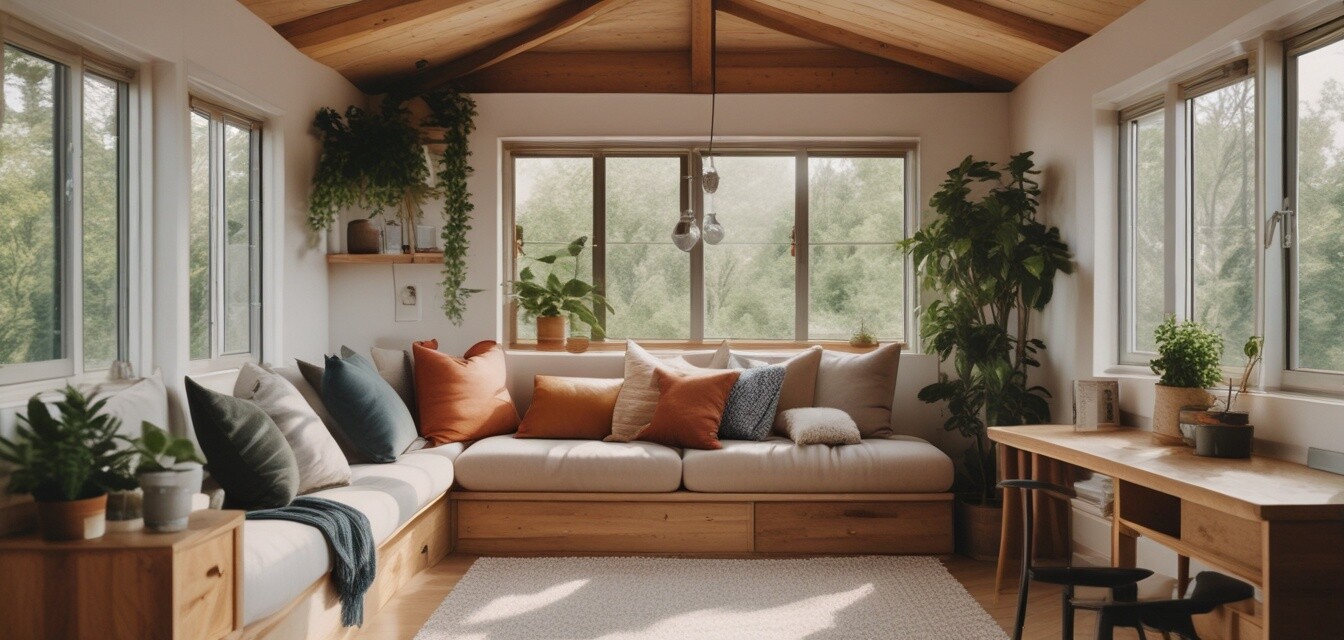
A key part of minimalist living is creating a cozy, inviting environment. Here are ways to enhance the warmth of your tiny space:
- Utilize warm lighting: Incorporate soft lighting with lamps or string lights.
- Natural materials: Opt for wood, metal, or textiles that bring warmth.
- Add greenery: Plants can breathe life into your space and improve air quality.
Sustainable Practices in Minimalist Living
Living sustainably complements a minimalist lifestyle. Here are some principles to consider:
- Buy less, choose wisely: Invest in high-quality products that last longer.
- Embrace second-hand: Shop thrift stores for unique and sustainable finds.
- Reduce energy consumption: Switch to energy-efficient appliances and lights.
Adopting a Minimalist Mindset
For a successful transition to minimalism, it’s crucial to cultivate a minimalist mindset. Regularly reassess your possessions and evaluate what adds value to your life. This ongoing process can help you maintain clarity and purpose in your tiny living journey.
Conclusion
Minimalist living in a tiny home promotes a simpler, more intentional lifestyle. By decluttering, choosing purposeful items, and creating a cozy atmosphere, you can enhance your living space and focus on what truly matters. Explore more on how to make the most of your tiny living experience by visiting our Lifestyle Tips category. Together, we can embrace the charm of tiny home living and inspire a more meaningful way of life.
Pros
- Encourages intentional living.
- Reduces stress and clutter.
- Promotes a sustainable lifestyle.
- Increases flexibility in daily routines.
Cons
- Can be challenging for those attached to material possessions.
- Requires time and effort for successful decluttering.