
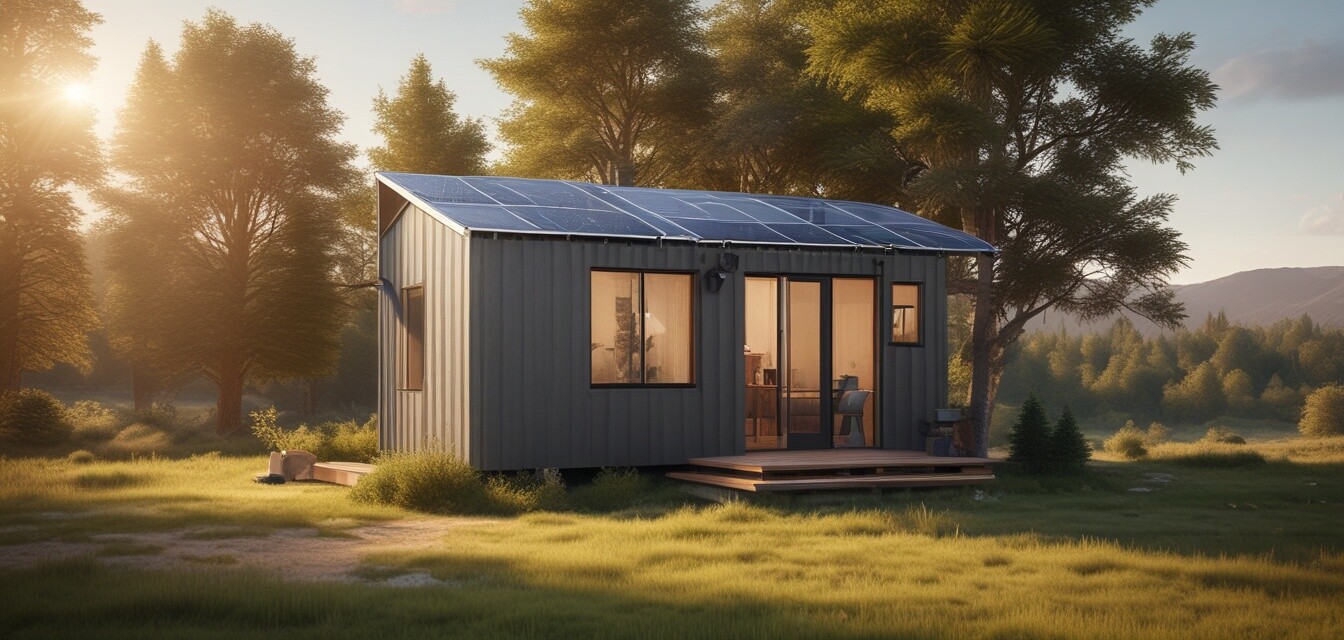
Disclosure: This content was generated with the assistance of AI and is not based on personal experience. It includes affiliate links, which means we may earn a commission if you make a purchase through them—at no additional cost to you. As an Amazon Associate, we earn from qualifying purchases. All product recommendations and endorsements are AI-generated and do not reflect personal opinions or hands-on evaluations.
Living Off-Grid in a Tiny Prefab Home: Is It Possible?
Key Takeaways
- Off-grid living is viable in tiny prefab homes.
- Essential systems include solar, water, and waste management.
- Adopting a minimalist lifestyle enhances off-grid living.
- Consider local climate for planning your off-grid setup.
- Research local regulations for building and living off-grid.
In recent years, more people have embraced tiny living, with prefab homes offering unique solutions for small space dwellers. Living off-grid has become an appealing option for those looking to reduce their environmental footprint and gain autonomy over their energy and resources. In this article, we'll explore whether living off-grid in a tiny prefab home is possible, along with the systems, adjustments, and insights you should know.
Understanding off-grid living
Off-grid living refers to a lifestyle where individuals or families rely on their own resources rather than public utilities. It often includes using renewable energy sources, managing personalized water supplies, and handling waste independently. For those in tiny prefab homes, understanding off-grid living is essential to make the most of the limited space while ensuring self-sustainability.
Essential systems for off-grid living
When planning to live off-grid, several systems must be implemented effectively. Below is a breakdown of these critical components:
| System | Description | Considerations |
|---|---|---|
| Solar Energy | Utilizing solar panels to generate electricity. | Consider the roof space available and local sunlight conditions. |
| Water Supply | Harvesting rainwater or using wells for water. | Assess local climate and water access regulations. |
| Waste Management | Creating systems for efficient waste disposal. | Explore composting and other eco-friendly methods. |
| Heating and Cooling | Utilizing alternative heating methods and proper insulation. | Consider thermal mass and natural ventilation techniques. |
| Food Production | Growing your own food in small gardens or vertical farms. | Plan for seasonal growing conditions and available space. |
Living sustainably in small spaces
Sustainability is a critical aspect of off-grid living. Tiny prefab homes naturally lend themselves to a sustainable lifestyle, as fewer resources are required to maintain them. Here are a few tips to live sustainably in your tiny prefab home:
Beginner's Tips for Sustainable Tiny Living
- Thrift and upcycle furniture to reduce waste.
- Implement zero-waste practices in your daily routine.
- Use natural materials for insulation and décor.
- Embrace minimalism to avoid clutter.
- Engage in community swaps or share resources with neighbors.
Challenges of off-grid living
While living off-grid in a tiny prefab home offers numerous benefits, it also comes with specific challenges. Here are some common difficulties:
Pros
- Reduced environmental impact.
- Increased self-sufficiency.
- Lower utility costs.
- Enhanced connection to nature.
Cons
- Initial setup costs for solar and water systems.
- Potential need for lifestyle adjustments.
- Regulatory hurdles depending on location.
- More manual work involved in managing resources.
Making lifestyle adjustments for success
If you're considering off-grid living in a tiny prefab home, it’s important to adopt new habits and practices:
- Learn to conserve water and energy actively.
- Adopt a minimalist approach to possessions.
- Focus on DIY solutions for home maintenance.
- Cultivate a sense of community with other off-gridders.
Conclusion
In conclusion, living off-grid in a tiny prefab home is not only achievable but can also lead to a more fulfilling and sustainable lifestyle. With careful planning, essential systems in place, and a commitment to adjustments, you can successfully embrace the off-grid life. For further reading, explore our tips on maximizing space in tiny homes and learn more about sustainable materials that can enhance your living environment.