
Disclosure: This content was generated with the assistance of AI and is not based on personal experience. It includes affiliate links, which means we may earn a commission if you make a purchase through them—at no additional cost to you. As an Amazon Associate, we earn from qualifying purchases. All product recommendations and endorsements are AI-generated and do not reflect personal opinions or hands-on evaluations.
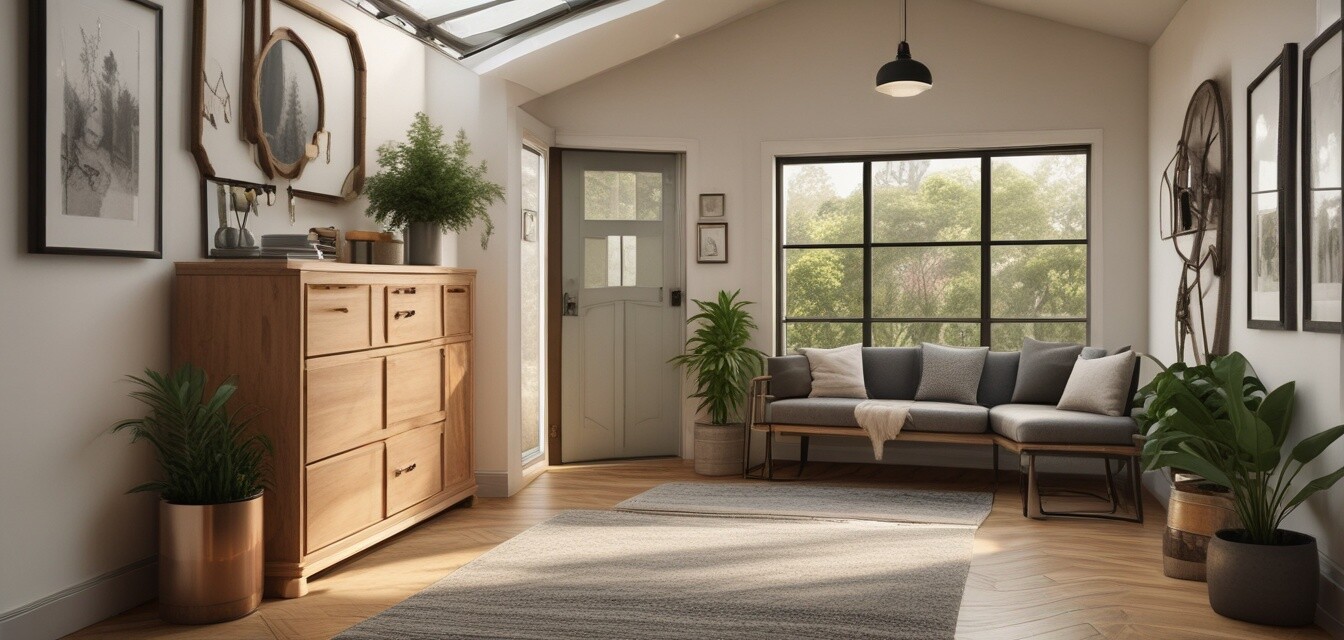
Creating an inviting entryway in tiny spaces
Key Takeaways
- Effective use of color and lighting can enhance small entryways.
- Functional furniture is essential for maximizing space.
- Decorative elements can add personality without cluttering.
- Smart storage solutions are crucial in tiny homes.
- Planning an entryway layout contributes significantly to functionality.
Designing an inviting entryway in a tiny home can be a fun and creative challenge. The entryway sets the tone for the rest of your home and is the first space that guests see. With limited square footage, it’s essential to maximize functionality while maintaining a stylish vibe. In this article, we'll share valuable tips to help you create an entryway that welcomes you home every day and impresses your visitors.
Understanding the essentials of a tiny entryway
To get started, let's explore the core elements of a successful tiny entryway:
| Element | Description | Benefits |
|---|---|---|
| Lighting | Bright and warm artificial or natural light sources. | Enhances visibility and creates a welcoming atmosphere. |
| Color Scheme | Light colors to make the space feel larger. | Creates an open feel and reflects light. |
| Furniture | Multi-functional items, such as storage benches. | Maximizes utility and maintains a neat appearance. |
| Decor | Artwork, plants, and personal touches. | Adds personality without overcrowding. |
1. Prioritize functionality with furniture
When it comes to tiny spaces, every inch counts. Here are some furniture ideas to consider:
- Use a bench with storage: Ideal for seating and stashing shoes or bags.
- Incorporate wall-mounted hooks: Perfect for coats and bags without taking up floor space.
- Opt for a slim console table: Great for keys and mail, while also providing a surface for decor.
- Consider a foldable or expandable table: Useful for those who need extra space occasionally.
2. Create an illusion of space with color and lighting
Choosing the right colors and lighting can transform the perception of space in your entryway:
- Choose soft pastels or light hues: These make the space feel airy and bright.
- Add mirrors: Reflective surfaces can enhance the feeling of openness.
- Layer lighting: Use pendant lights, wall sconces, and lamps to ensure even illumination.
3. Incorporate smart storage solutions
Storage can often be a challenge in tiny homes. Here are some ideas to keep your entryway organized:
- Utilize vertical space: Install shelves above your furniture for books or decor items.
- Use baskets: Stylish baskets can store small items while maintaining an aesthetic appeal.
- Design in built-ins: Customized built-in storage can optimize space efficiently.
4. Add personal touches
Make your entryway inviting with decorative elements that reflect your personality:
- Artwork: Choose pieces that bring you joy and match your decor.
- Plants: Add greenery for a fresh, lively touch.
- Textiles: A nice rug can warm up the space and define the entryway area.
Common mistakes to avoid in designing a tiny entryway
While designing an inviting entryway, be mindful of these common pitfalls:
| Mistake | Explanation | Solution |
|---|---|---|
| Overcrowding the space | Too many items can create chaos. | Opt for fewer, more functional pieces. |
| Ignoring lighting | Poor lighting can make a space feel cramped. | Invest in layered lighting solutions. |
| Lack of organization | Using the floor as storage can lead to clutter. | Implement wall storage and maintain a regular cleaning routine. |
Conclusion
Creating an inviting entryway in tiny spaces may require some creativity and planning, but the results are well worth the effort. By prioritizing functionality, being mindful of color and lighting, incorporating smart storage solutions, and adding personal touches, you can design a welcoming space that reflects your style. If you're interested in more ideas on organizing and maximizing your space, explore our articles on lifestyle tips or check out our section on compact furniture for additional inspiration.
Pros
- Enhances the aesthetic appeal of your home.
- Improves the functionality of limited space.
- Creates a warm welcome for guests and residents alike.
Cons
- Requires careful planning and design considerations.
- May involve investing in new furniture and decor.