
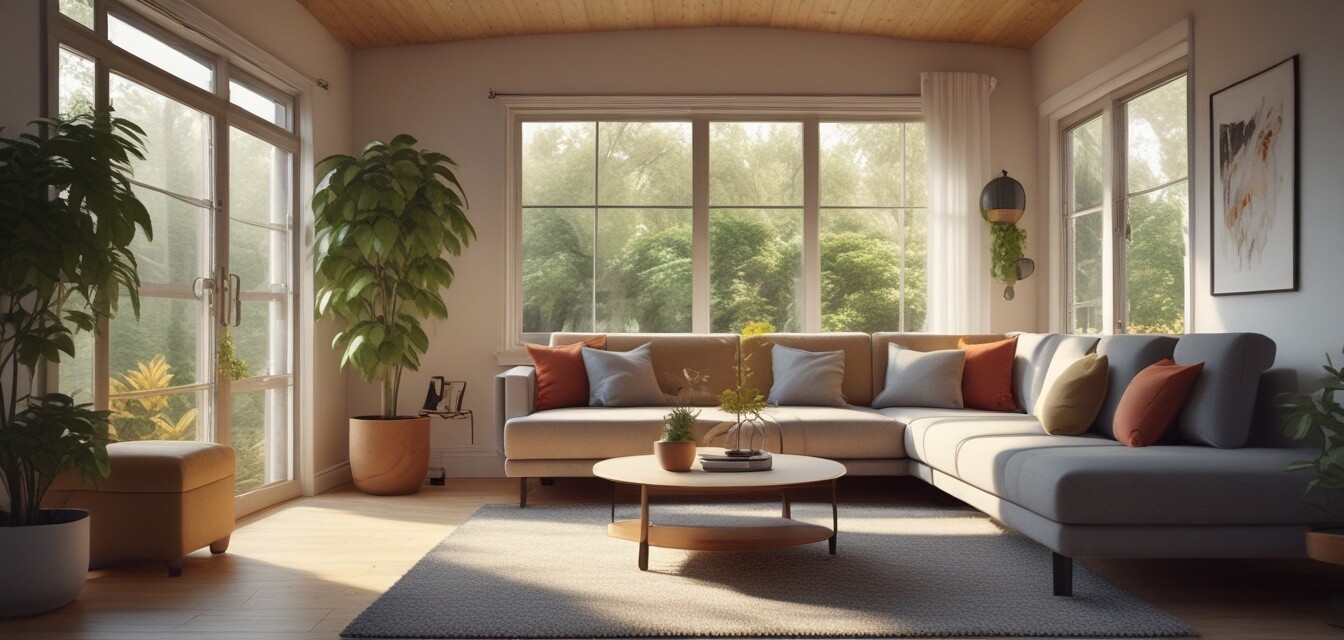
Disclosure: This content was generated with the assistance of AI and is not based on personal experience. It includes affiliate links, which means we may earn a commission if you make a purchase through them—at no additional cost to you. As an Amazon Associate, we earn from qualifying purchases. All product recommendations and endorsements are AI-generated and do not reflect personal opinions or hands-on evaluations.
Family Living in Tiny Homes: Is It Possible?
- Family living in tiny homes is increasingly achievable with the right design and mindset.
- Effective organization and functional furniture are key to maximizing space.
- Creating designated areas helps in maintaining order and comfort.
- Embrace minimalism while allowing for personalization to make tiny living special.
- Consider energy solutions and outdoor extensions for additional space and sustainability.
As more families seek simplified lifestyles, tiny homes are becoming a practical solution for family living. The challenge of confined space can lead to creative accommodations and a more intimate family dynamic. In this article, we’ll dive into how families can effectively live in tiny homes while still enjoying comfort and functionality.
The appeal of tiny homes for families
Tiny homes offer numerous benefits that appeal to families looking to simplify their lives:
- Affordable living: Smaller homes usually come with reduced costs in terms of purchase price and ongoing expenses.
- Simplified lifestyle: Living in a tiny home promotes minimalism, which allows families to prioritize experiences over possessions.
- Eco-friendliness: Many tiny homes embrace sustainable materials and efficient energy solutions.
- Increased family bonding: The smaller living space encourages more interaction among family members.
Making space for family living
Living in a tiny home doesn’t mean sacrificing comfort. Here are effective strategies to maximize space:
1. Utilize vertical space
Install shelves and cabinets that reach up to the ceiling. This avoids clutter on the floor and provides additional storage for family items.
2. Choose multi-functional furniture
Invest in furniture that serves more than one purpose, such as:
| Furniture Type | Functionality |
|---|---|
| Sofa bed | Transforms into a bed for guests |
| Storage ottoman | Serves as seating and offers hidden storage |
| Folding tables | Can be extended for dining and collapsed when not in use |
3. Designate specific areas
While space may be limited, establishing defined areas can help maintain order:
- Play area: Choose a corner for children's toys and games, using organizers to keep everything tidy.
- Work zone: Create a small home office nook with a foldable desk that can be stowed away when not in use.
- Relaxation corner: Designate a cozy reading space, perhaps with a chair and good lighting.
Personalizing the tiny home experience
Customizing your living space can help families feel more at home. Here are a few ideas:
- Incorporate family photos and artwork on walls to bring warmth.
- Add plants to improve air quality and bring life to the space.
- Use color schemes that resonate with your family’s personality.
- Maintain an organized environment by using decorative storage boxes and baskets.
Outdoor living and extensions
Utilizing outdoor space can add significant value to your tiny home. Here are some ideas:
- Patios or decks: Outdoor seating areas can serve as extensions of your living space.
- Garden plots: Families can grow their vegetables or flower gardens to foster a sense of connection with nature.
- Outdoor storage: Consider sheds or containers to keep tools and outdoor gear tucked away.
Conclusion
Living as a family in a tiny home is absolutely possible with proper planning, organization, and a willingness to embrace the benefits of minimalism. By making thoughtful choices about space usage and personalizing your surroundings, tiny living can be a rewarding experience for all family members.
Pros
- Cost-effective living solution
- Encourages strong family relationships
- Promotes sustainable and eco-friendly living
- Allows for creative space usage
Cons
- Limited space can create challenges
- Requires constant organization to avoid clutter
- May not suit larger families or households
Further resources on tiny living
For more information on maximizing space and designing your tiny home, check out these helpful articles: