
Disclosure: This content was generated with the assistance of AI and is not based on personal experience. It includes affiliate links, which means we may earn a commission if you make a purchase through them—at no additional cost to you. As an Amazon Associate, we earn from qualifying purchases. All product recommendations and endorsements are AI-generated and do not reflect personal opinions or hands-on evaluations.
Creating an eco-friendly garden in your tiny space
Key Takeaways
- Vertical and container gardening are ideal for small spaces.
- Choose native plants to support local ecosystems and reduce maintenance.
- Utilizing sustainable gardening practices minimizes environmental impact.
- Incorporate composting and rainwater harvesting for eco-friendly gardening.
- Create a harmonious garden atmosphere to enhance your tiny home lifestyle.
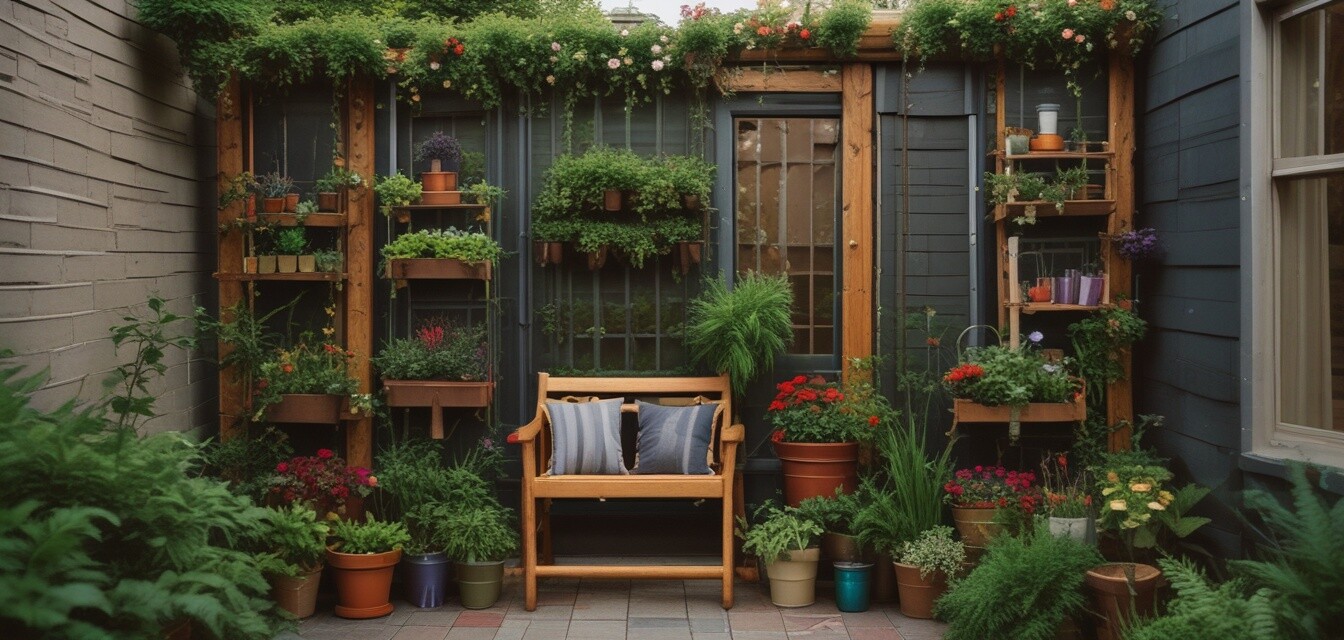
Living in a tiny prefab home doesn't mean you have to sacrifice your love for gardening. In fact, with the right techniques and creativity, you can establish a thriving eco-friendly garden right in your small outdoor space. This article will share tips on vertical and container gardening, enabling you to cultivate a sustainable oasis while maximizing your limited space.
Understanding the benefits of eco-friendly gardening
Creating an eco-friendly garden provides numerous advantages, not only for you as a gardener but also for the ecosystem. Here are a few key benefits:
- Healthier environment: Eco-friendly gardening helps improve air and soil quality.
- Supports biodiversity: Encouraging a diverse range of plants attracts beneficial insects and wildlife.
- Reduces waste: Sustainable practices like composting reduce landfill waste.
- Cost-effective: Growing your own herbs and vegetables can save you money.
Essential tips for creating your eco-friendly garden
Whether you’re starting from scratch or revitalizing an existing garden, here are practical tips to help you get started:
1. Choose the right location
Find a space in your tiny outdoor area that receives adequate sunlight. Ideally, most vegetables and herbs thrive with 6-8 hours of sunlight per day.
2. Embrace vertical gardening
Vertical gardening is a fantastic way to utilize limited space. Here are some ideas:
- Use wall-mounted planters or trellises to grow climbing plants like tomatoes or peas.
- Install shelves to house pots filled with a variety of herbs and flowers.
- Consider hanging containers or pocket planters on a fence or wall.
3. Opt for container gardening
Container gardening allows you to cultivate plants without needing a traditional garden bed. Here are key points to consider:
- Choose containers made from sustainable materials, such as recycled plastic or reclaimed wood.
- Select the right size of containers based on the plants you choose.
- Ensure proper drainage by using pots with holes at the bottom.
Choosing eco-friendly plants
Selecting native plants is an excellent way to contribute to local ecosystems. Here are some examples of eco-friendly plants suitable for small spaces:
| Plant Type | Benefits |
|---|---|
| Herbs | Low maintenance, climate-adaptable, and great for cooking. |
| Perennials | Return yearly, saving time and effort on replanting. |
| Pollinator-friendly flowers | Attract bees and butterflies, helping local ecosystems. |
| Fruit-bearing bushes | Provide fresh produce in a compact form like dwarf varieties. |
Sustainable gardening practices
To make your gardening more sustainable, consider the following practices:
- Composting: Create a compost bin for kitchen scraps and garden waste, which will enrich your soil.
- Rainwater harvesting: Collect rainwater in barrels for watering your plants to conserve water.
- Natural pest control: Use companion planting or natural deterrents to manage pests without chemicals.
Pros
- Maximizes limited space in tiny environments.
- Encourages local wildlife and biodiversity.
- Promotes sustainable living practices and reduces environmental impact.
- Provides fresh produce at your doorstep.
Cons
- Potential for limited crop yields in small spaces.
- Requires regular maintenance and care.
- Challenges with climate conditions may affect certain plants.
Creating a cozy garden atmosphere
Your tiny garden can be an invitation to relax and unwind. Here are a few ideas to enhance your outdoor space:
- Add comfortable seating, like a small bench or garden chairs, to enjoy your surroundings.
- Incorporate decorative elements, such as solar lights or wind chimes.
- Use colorful containers to create visual interest and a sense of warmth.
With small adjustments and conscious choices, you can create a flourishing eco-friendly garden in your tiny prefab space. For more tips on maximizing small spaces, check out our article on Lifestyle Tips. Happy gardening!