
Disclosure: This content was generated with the assistance of AI and is not based on personal experience. It includes affiliate links, which means we may earn a commission if you make a purchase through them—at no additional cost to you. As an Amazon Associate, we earn from qualifying purchases. All product recommendations and endorsements are AI-generated and do not reflect personal opinions or hands-on evaluations.
Eco-Conscious Living: Best Gardening Practices
Key Takeaways
- Vertical gardens maximize limited space and enhance aesthetics.
- Container gardening allows for a variety of plants in small areas.
- Utilizing organic materials leads to healthier plants and soil.
- Composting helps recycle waste, enriching your garden.
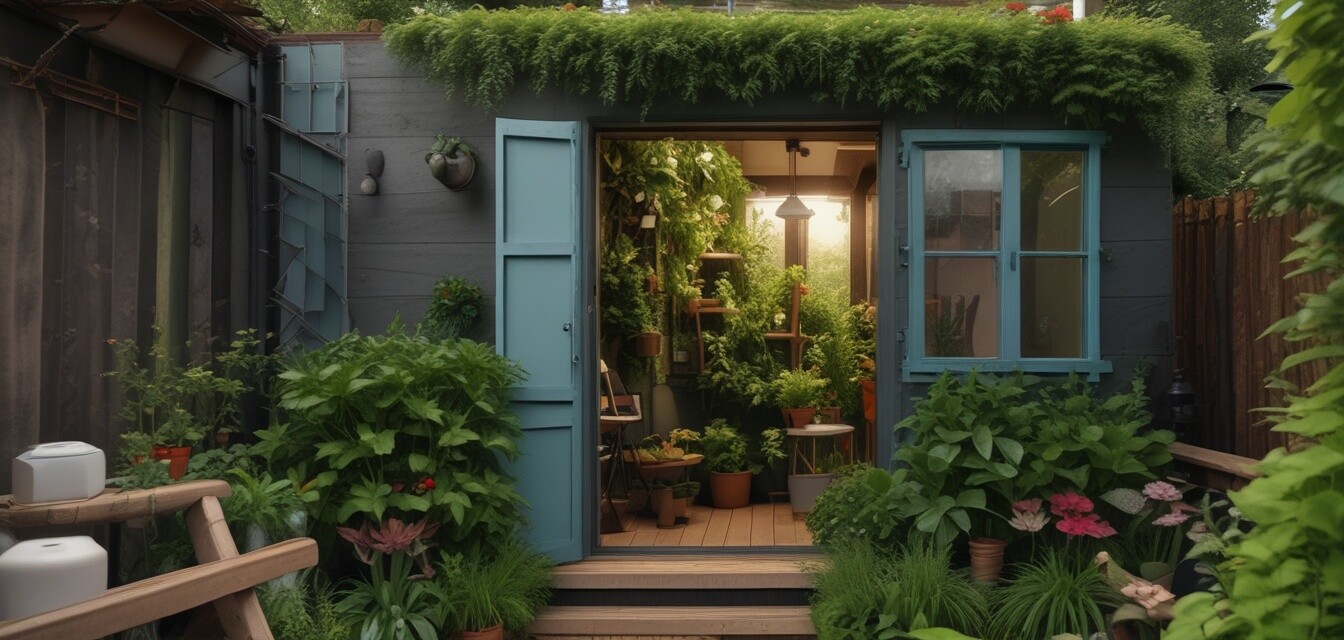
In the world of tiny home living, every square foot counts. For those who wish to add greenery to their cozy spaces, implementing sustainable gardening practices is a brilliant way to beautify while being eco-conscious. Let’s explore the best gardening practices suitable for tiny home living, including vertical gardens, container gardening, and more!
1. Vertical Gardens: Harnessing Upward Space
Vertical gardens are ingenious solutions for tiny spaces. Not only do they save ground space, but they also add a stunning visual element to your home. Here are a few key advantages of vertical gardening:
- Maximizes limited space available.
- Improves air quality by filtering pollutants.
- Creates a natural insulation barrier.
- Provides a habitat for beneficial insects and birds.
How to Create a Vertical Garden
Setting up a vertical garden involves minimal effort. Here’s a simple step-by-step:
- Select a suitable wall or frame.
- Choose your plants; opt for herbs, flowers, or leafy greens.
- Install a pocket system or mounted planters.
- Water regularly and ensure proper drainage.
- Maintain your plants with appropriate light and nutrients.
2. Container Gardening: Versatile and Efficient
Another fantastic option for tiny homes is container gardening. It allows you to grow a wide array of plants while keeping them manageable and mobile.
Benefits of Container Gardening
- Flexibility to move plants as needed.
- Control over soil quality and moisture levels.
- Great for growing food, herbs, and ornamental plants.
Choosing the Right Containers
When it comes to choosing containers, here are a few excellent options:
| Container Type | Best For | Pros |
|---|---|---|
| Plastic Containers | Herbs & Vegetables | Lightweight and affordable. |
| Wooden Planters | Flowers & Shrubs | Natural look, great drainage. |
| Metal Tubs | Fruits & Vegetables | Durable and rustic charm. |
Remember to use high-quality soil and consider incorporating a self-watering system for easy maintenance.
3. Eco-Friendly Soil and Nutrients
Using organic materials enhances both the health of your plants and the environment. Here are some options for creating sustainable nutrient-rich soil:
- Compost: Recycle kitchen scraps and yard waste.
- Worm Castings: Full of nutrients, excellent for enhancing soil.
- Mulch: Retains moisture and suppresses weeds.
Composting Basics
Starting your composting is simpler than you might think! Follow these steps:
- Choose a compost bin or heap area.
- Collect kitchen scraps (vegetable peels, coffee grounds).
- Add yard waste (leaves, grass clippings).
- Mix regularly to aerate and break down the materials.
4. Sustainable Water Practices
Water conservation is essential for eco-conscious gardening. Here are methods to consider:
- Rainwater harvesting: Collect rainwater for garden use.
- Drip irrigation: Efficiently delivers water directly to plants’ roots.
- Mulching: Reduces the need for frequent watering.
Integrating Energy Solutions
Consider using solar-powered solutions for your garden needs. Products like the ECO-WORTHY 1200W 24V Solar Power System provide clean energy for monitoring irrigation systems effortlessly.
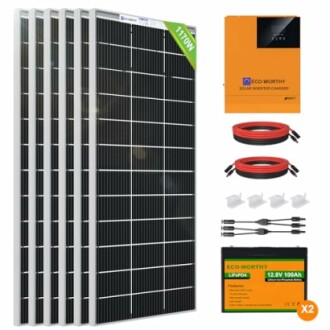 Efficient energy solution
ECO-WORTHY 1200W 24V Solar Power System
This complete solar power system generates 4.8kWh/day, ideal for powering your tiny home garden solutions.
Learn MoreConclusion: Embracing Eco-Conscious Gardening
Gardening can be a fulfilling and sustainable practice for tiny home dwellers. By utilizing vertical gardens, container gardening, and eco-friendly techniques, you create not only a beautiful environment but also contribute positively to the planet. For more lifestyle tips on tiny living, explore our Lifestyle Tips section.
Pros
- Enhances the living environment.
- Promotes sustainability.
- Minimal space requirements.
Cons
- Requires maintenance and care.
- Initial setup can take time and effort.
Further Resources
Check out additional resources to enhance your tiny home experience: