
Disclosure: This content was generated with the assistance of AI and is not based on personal experience. It includes affiliate links, which means we may earn a commission if you make a purchase through them—at no additional cost to you. As an Amazon Associate, we earn from qualifying purchases. All product recommendations and endorsements are AI-generated and do not reflect personal opinions or hands-on evaluations.
Adapting Tiny Living for Families
Key Takeaways
- Space optimization is crucial for families living in tiny prefab homes.
- Functionality over aesthetics; multi-purpose furniture can save space.
- Incorporating smart storage solutions can maximize living areas.
- Creating designated areas for different activities fosters harmony in small spaces.
- Involving the whole family in organization can improve overall liveability.
Families living in tiny prefab homes can enjoy the charm and simplicity of minimalist living while also tackling the unique challenges that come with smaller spaces. Adapting to tiny living as a family requires creativity, innovative solutions, and a focus on optimizing every square inch. In this article, we will share practical tips and solutions for families wishing to make the most of their compact living environment.
Understanding Tiny Living Challenges for Families
Tiny living can be particularly challenging for families, as space constraints can make everyday activities cumbersome. Identifying these challenges is the first step toward finding effective solutions:
- Limited space: With fewer square feet, organizing and maintaining family essentials becomes complex.
- Privacy issues: Finding personal space for each family member can be difficult.
- Storage constraints: Families often have more belongings, making it a struggle to keep everything organized.
- Child-friendly solutions: Kids require safe and adaptable spaces for play and learning.
Space Optimization Techniques
To effectively adapt tiny living for families, implementing space optimization techniques is essential. Here are some strategies:
1. Multi-Purpose Furniture
Investing in multi-purpose furniture can dramatically reduce the clutter in your living space. Here are some options to consider:
- Sofa beds: Ideal for hosting guests without needing a separate room.
- Storage ottomans: Great for seating that doubles as storage.
- Foldable tables: These can be stashed away when not in use, freeing up floor space.
2. Creative Storage Solutions
Functionality and organization go hand-in-hand when living in a small space. Consider the following storage solutions:
| Storage Solution | Description |
|---|---|
| Under-bed storage | Use storage bins designed to fit under your bed to hide seasonal items. |
| Wall-mounted shelves | Create vertical storage areas that free up floor space by utilizing wall space. |
| Hooks and pegboards | Perfect for organizing kitchen utensils or children's toys. |
3. Designated Areas for Activities
A tiny home can thrive on organization. Creating designated areas for various activities is key:
- Play area: Establish a corner of the living room for toys and games.
- Learning nook: Utilize a section of your kitchen table for homework and creative projects.
- Quiet zones: Carve out small nooks for parents to work or for kids to reflect quietly.
Involving the Family in Organization
Including every family member in maintaining the organization can contribute greatly to the overall ambience of a tiny home:
- Team decluttering: Have regular family meetings to decide which items to keep or donate.
- Assign responsibilities: Each family member can have specific roles in tidying up.
- Routine check-ins: Periodic family reviews of the organizational system can enhance its effectiveness.
Creating a Cozy Atmosphere
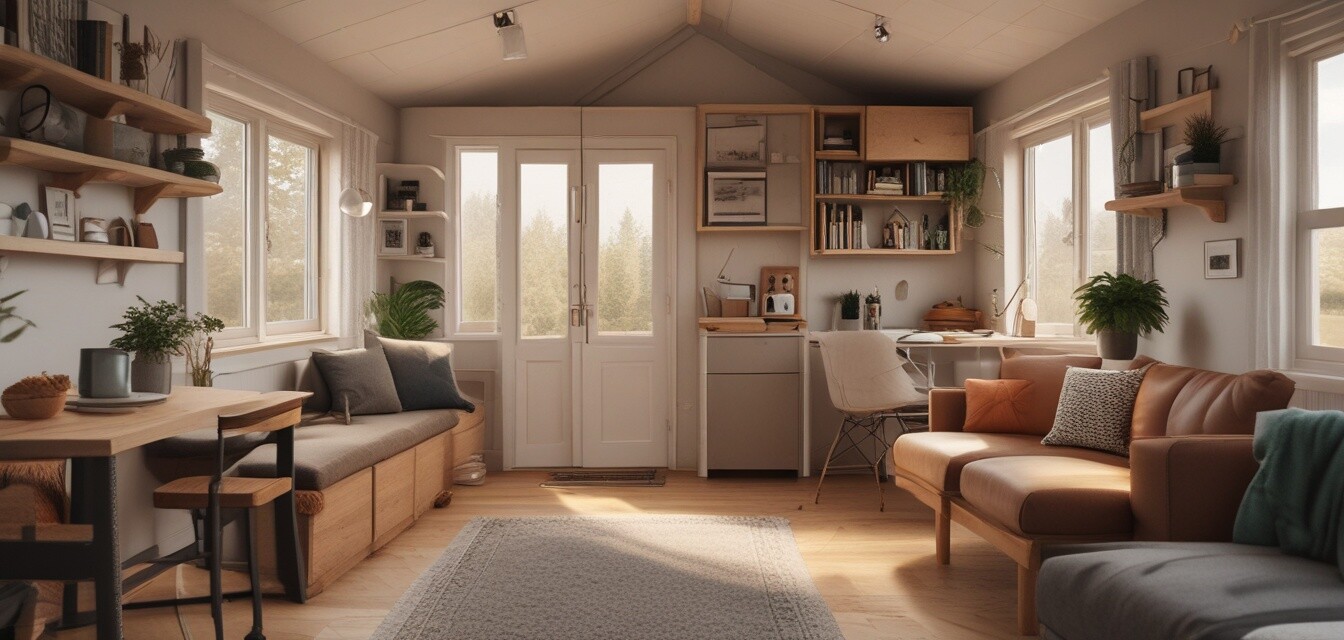
A tiny prefab home can be warm and inviting, even with limited space. Here are some tips to create that cozy feeling:
Tips for a Cozy Tiny Home
- Use warm colors to make the space feel more inviting.
- Incorporate soft textiles, like cushions and blankets, to ensure comfort.
- Add personal touches, such as family photos or handmade art, to make the space feel like home.
- Utilize plants or flowers to bring life and freshness into your home.
Conclusion
Adapting tiny living for families can be challenge but also an opportunity for creativity and closeness. By focusing on optimizing space, involving everyone in the process, and creating organized areas for various family activities, it’s possible to thrive in your tiny prefab home. Whether you're new to tiny living or looking for fresh ideas, finding solutions tailored for your family can lead to a harmonious and fulfilling lifestyle. For more tips on maximizing small spaces, feel free to visit our Lifestyle Tips section.
Pros
- Encourages family bonding through shared responsibilities.
- Promotes minimalism and reduces clutter.
- Cost-effective living with lower maintenance expenses.
- Flexibility and adaptability to various living situations.
Cons
- Can feel cramped, especially with growing children.
- Noise can be an issue during busy family times.
- Presents challenges in accommodating guests.
- May require constant organization to maintain livability.
Further Reading
For those interested in enhancing their tiny living experience, check out our related articles on compact furniture, energy solutions, and more tips on making the most of your space at Smart Prefab Homes.