Disclosure: This content may contain affiliate links. If you purchase through these links, this website may earn a commission at no additional cost to you. As an Amazon Associate, we earn from qualifying purchases. Some content on this website may be created with the assistance of AI tools and editorial research to help provide helpful information, comparisons, and recommendations for readers.
Top Eco-Friendly Prefab Home Kits for Tiny Living
Key Takeaways
- Eco-Friendly materials such as reclaimed wood, bamboo, and recycled steel are commonly used.
- Energy efficiency should be prioritized; look for homes with solar panels and high-quality insulation.
- Flexibility in design allows customization according to personal needs.
- Budgeting for eco-friendly homes may yield long-term savings through lower utility bills.
- Consider community-driven prefab solutions that provide shared resources.
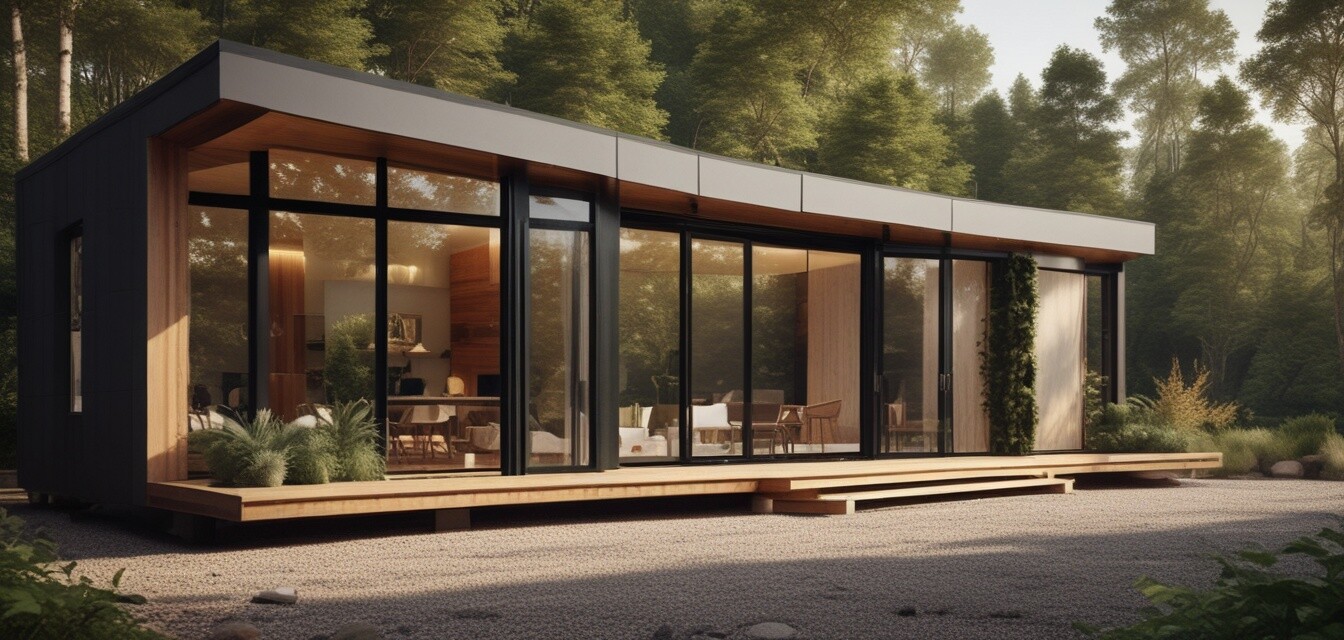
In recent years, the trend towards tiny living has evolved hand in hand with the desire for sustainability. Eco-friendly prefab homes not only deliver efficient use of space but also promote a greener lifestyle. With the variety of tiny prefab homes available today, it can be overwhelming to choose the right kit. In this guide, we explore some of the best eco-friendly prefab home kits that are not just efficient but also beautifully designed.
Defining Eco-Friendly Prefab Homes
Eco-friendly prefab homes are constructed using sustainable building practices and materials. These home kits are designed for minimal environmental impact and are often prefabricated in controlled factory environments, which helps in reducing waste and energy use during construction.
Benefits of Eco-Friendly Prefab Homes
- Sustainability: Built from renewable or recycled materials.
- Energy Efficiency: Designed to consume less energy and often include renewable energy options like solar panels.
- Cost-Effective: Lower utility bills create long-term savings.
- Quick Construction: Prefab kits can be assembled quickly on site, reducing time and labor costs.
Top Features to Look for in Eco-Friendly Prefab Kits
When considering eco-friendly prefab home kits, pay attention to the following features:
| Feature | Description |
|---|---|
| Sustainable Materials | Use of materials like bamboo, reclaimed wood, and recycled steel. |
| Energy Efficiency | High-performance insulation, energy-efficient windows, and solar panel compatibility. |
| Water Conservation | Systems like rainwater harvesting and low-flow plumbing fixtures. |
| Smart Technology | Integration of smart home devices that allow efficient energy use. |
| Custom Design Options | The ability to choose layouts and finishes tailored to your needs. |
Investment Considerations
While the initial investment for eco-friendly prefab homes might seem higher than traditional homes, the long-term savings and benefits outweigh the costs. It's important to budget for these homes and consider potential savings on energy and maintenance. Check out our buying guides for tips on managing expenses.
Popular Eco-Friendly Prefab Home Kits
Here are some popular eco-friendly prefab home kits that epitomize sustainability and style:
| Home Kit | Size | Key Features | Price Range |
|---|---|---|---|
| EcoCottage | 400 sq ft | Green roofs, solar panels, open design | $50,000 - $70,000 |
| NatureHaus | 600 sq ft | Bamboo interiors, energy-efficient windows | $60,000 - $90,000 |
| Garden Home | 800 sq ft | Rainwater collection, sustainable materials | $70,000 - $100,000 |
Planning Your Eco-Friendly Tiny Living Space
When planning your tiny living space, consider how to make the most of every square foot. Using compact furniture and multifunctional spaces can optimize your layout. For superb ideas, visit our section on compact furniture which explores the best solutions for small spaces.
Real-World Examples of Eco-Friendly Tiny Homes
Many homeowners have successfully adopted eco-friendly prefab living solutions. Some even share their journeys and experiences online. Seeking guidance through such narratives can inspire your decisions. Consider engaging with communities of eco-friendly living to see the practical applications of these kits.
Conclusion
Choosing an eco-friendly prefab home kit can be an energizing step towards sustainable living. By focusing on long-term savings and valuable features, you can make an informed decision that promotes both your lifestyle and environmental sustainability. Dive into our sustainable materials section for more insights on building better.
Pros
- Environmentally friendly materials used.
- Lower energy costs over time.
- Flexible design options available.
- Rapid construction times.
Cons
- Higher initial investment costs.
- Limited design options in some kits.
- May require permits based on location.
Tips for Beginners
- Research different kits and their specifications.
- Understand local regulations and zoning laws.
- Visit showrooms if possible to see models up close.
- Consult with architects or builders experienced in prefab homes.