Disclosure: This content may contain affiliate links. If you purchase through these links, this website may earn a commission at no additional cost to you. As an Amazon Associate, we earn from qualifying purchases. Some content on this website may be created with the assistance of AI tools and editorial research to help provide helpful information, comparisons, and recommendations for readers.
The pros and cons of different tiny prefab home materials
Key Takeaways
- Understanding materials is crucial for choosing your tiny prefab home.
- Each material has unique benefits and drawbacks based on climate and personal preference.
- Consider factors such as insulation, durability, and maintenance when selecting materials.
- Consult buying guides on prefab homes for more detailed insights.
When diving into the world of tiny prefab homes, one of the most vital aspects to consider is the materials used in construction. Different materials can significantly affect not only the price but also the durability, comfort, and aesthetics of your living space. This article will analyze various materials commonly used in tiny prefab construction, discussing their advantages, disadvantages, and suitability for specific climates.
The common materials used in tiny prefab homes
| Material | Description | Weight | Cost |
|---|---|---|---|
| Wood | Natural and renewable; offers aesthetic warmth. | Light to medium | Moderate |
| Steel | Strong and durable; resistant to pests and fire. | Heavy | Moderate to high |
| Concrete | Very strong; excellent insulation properties. | Heavy | Moderate to high |
| Recycled materials | Eco-friendly options, often cost-effective. | Varies | Low to moderate |
| SIP panels | Structural Insulated Panels; great for energy efficiency. | Medium | Moderate |
Wood
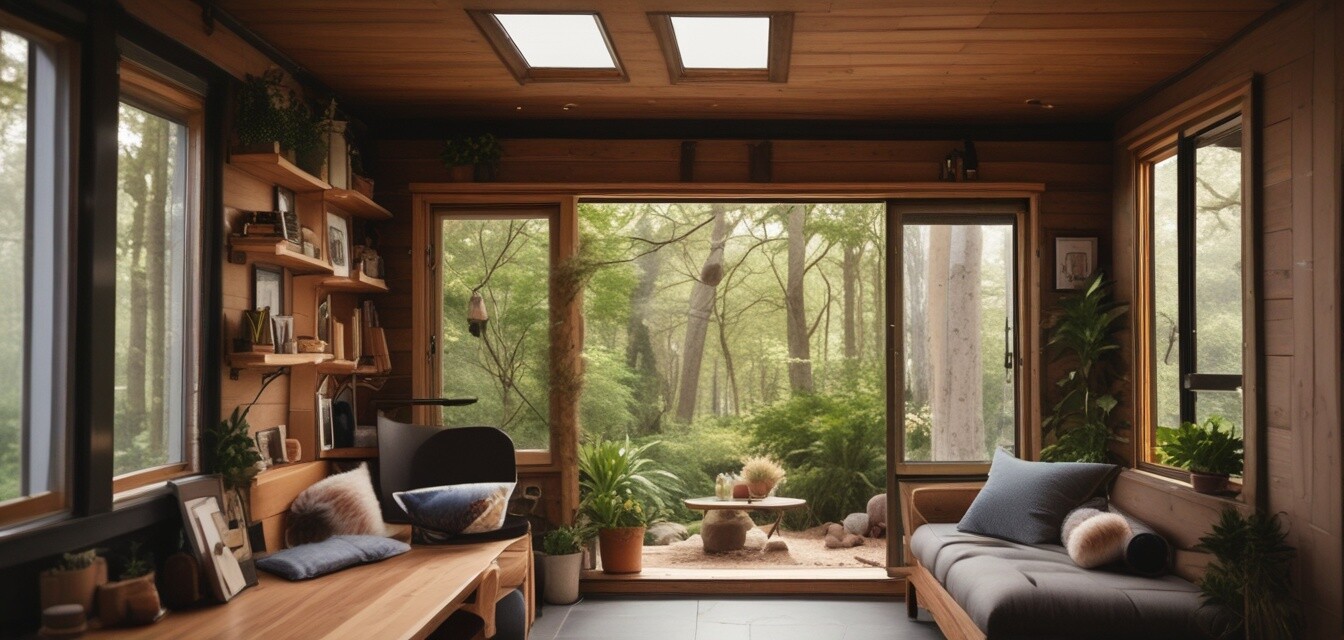
Wood is a classic choice for tiny prefab homes, valued for its natural beauty and renewable qualities. However, while wood can provide excellent insulation and soundproofing, it may require more maintenance than other materials.
Pros
- Aesthetic appeal and warmth.
- Good insulation properties.
- Environmentally friendly (if sourced responsibly).
Cons
- Susceptible to termites and other pests.
- Requires regular maintenance and treatment.
- Can warp in extreme weather conditions.
Steel
Steel has gained popularity in the construction of tiny prefab homes due to its durability and strength. It can withstand extreme weather conditions and requires minimal maintenance.
Pros
- Highly durable and resistant to natural disasters.
- Minimal maintenance required.
- Fire-resistant.
Cons
- Poor insulation properties unless combined with insulation materials.
- Can be noisy during rain or hail.
- Higher initial cost than wood.
Concrete
Concrete is a robust material known for its ability to provide excellent insulation. Its long-lasting properties make it an ideal choice for those looking for a low-maintenance option.
Pros
- Very strong and durable.
- Excellent thermal mass, keeping homes warm in winter and cool in summer.
- Fire-resistant.
Cons
- Heavy, requiring a strong foundation.
- Higher upfront costs.
- Can be unappealing aesthetically without finishes.
Recycled Materials
Using recycled materials is an eco-friendly alternative that can result in reduced costs. This approach focuses on sustainability while providing unique aesthetics.
Pros
- Cost-effective and sustainable.
- Unique aesthetics that tell a story.
- Lower carbon footprint.
Cons
- Variable quality and types of materials available.
- Possible limitations in structural integrity.
- Requires additional time for sourcing and planning.
SIP Panels
Structural Insulated Panels (SIPs) are becoming increasingly popular due to their energy efficiency and ease of installation. They combine insulation and structural support in one product.
Pros
- High levels of insulation.
- Fast to install and construct.
- Energy-efficient, reducing heating and cooling costs.
Cons
- May not perform as well in extreme climates without additional insulation.
- Higher cost than traditional framing materials.
- Potential for moisture issues if not installed properly.
Choosing the right material for your tiny prefab home
Ultimately, selecting the right material for your tiny prefab home depends on various factors including climate, personal preference, budget, and maintenance expectations. For example:
- For warmer climates, lightweight materials with good ventilation may be more suitable.
- In colder regions, concrete or SIP panels may provide better insulation.
- Consider your environmental impact; opting for recycled materials can reduce waste.
For more comprehensive details on selecting the best options for your tiny home project, you may want to explore our buying guides section. These resources can help you make informed decisions tailored to your unique needs.
Conclusion
Understanding the pros and cons of different materials used in tiny prefab homes is essential for making an informed decision. Each material presents unique characteristics that may make it more or less suitable for your specific situation. Take your time to research thoroughly, and consult buying guides and expert opinions to ensure you choose the best fit for your tiny living journey.
By considering the materials discussed in this article and weighing their advantages and disadvantages, you're one step closer to finding the perfect tiny prefab home for your lifestyle. Happy home building!