
Disclosure: This content may contain affiliate links. If you purchase through these links, this website may earn a commission at no additional cost to you. As an Amazon Associate, we earn from qualifying purchases. Some content on this website may be created with the assistance of AI tools and editorial research to help provide helpful information, comparisons, and recommendations for readers.
The Pros and Cons of Steel Container Homes
Key Takeaways
- Steel container homes offer durability and flexibility for tiny living.
- They present various customization options to suit personal needs.
- Consideration of insulation and weight is crucial for successful installation.
Are you contemplating a steel container home for your tiny living needs? These robust structures have gained popularity for their durability and adaptability. However, like any housing option, they come with both benefits and drawbacks. In this article, we'll delve into the pros and cons of steel container homes, equipping you with the knowledge to make an informed decision.
What is a Steel Container Home?
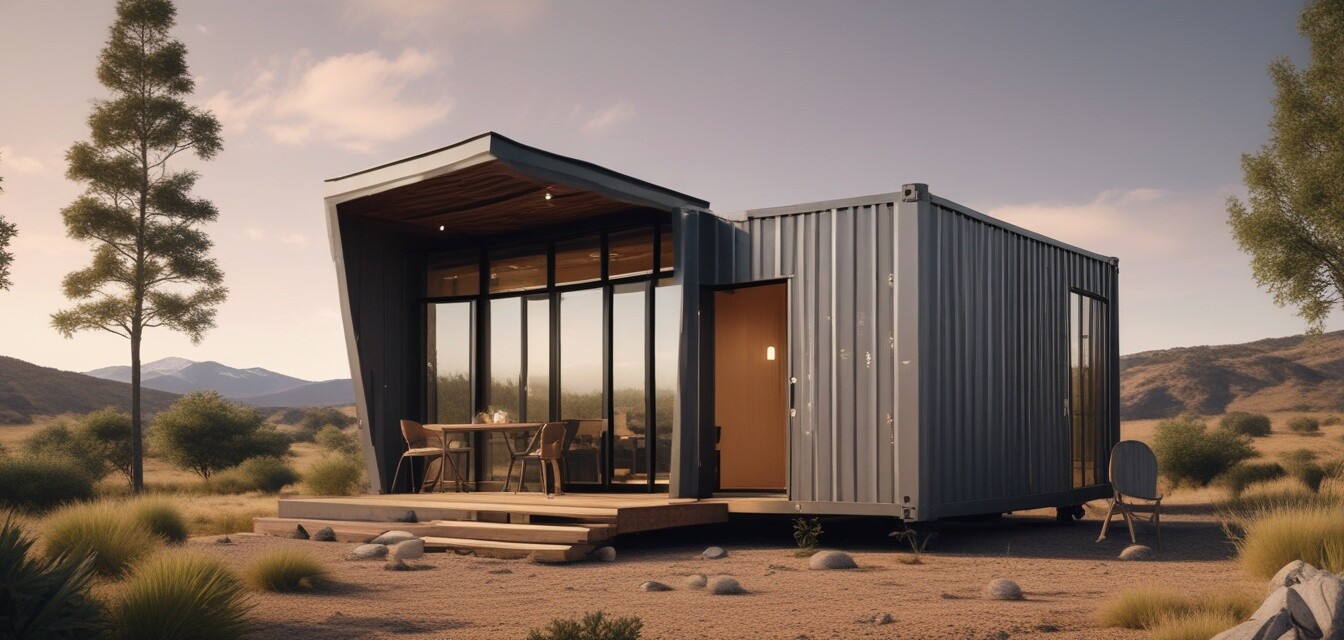
A steel container home is constructed using a shipping container as the primary structure. This approach to building has become popular due to the sustainability aspect—recycling an existing item—and its cost-effectiveness in terms of materials. Steel container homes can be designed in various layouts, with additions such as insulation, windows, and even multi-level arrangements.
Pros of Steel Container Homes
Pros
- Durability: Steel containers are built to withstand harsh marine conditions, ensuring longevity.
- Cost Efficiency: Using recycled containers often leads to lower construction costs compared to traditional homes.
- Quick Assembly: Setting up a steel container home can take significantly less time than traditional constructions.
- Modular Flexibility: Multiple containers can be combined to expand living space according to needs.
- Sustainability: Repurposing shipping containers is an eco-friendly approach to construction.
Cons
- Insulation Requirements: Containers can become extremely hot or cold if not properly insulated, making climate control a concern.
- Weight Limitations: Depending on design choices, structural limitations may affect customization options.
- Zoning Regulations: Some areas may have restrictive zoning laws regarding the use of shipping containers as residences.
- Resale Value: The resale market for container homes can be unpredictable, depending on local demand.
- Space Constraints: Size and layout restrictions can limit livability for larger families.
Comparing Steel Container Homes with Traditional Homes
| Feature | Steel Container Homes | Traditional Homes |
|---|---|---|
| Cost | Lower initial investment | Higher cost of materials and labor |
| Durability | Highly durable and weather-resistant | Varies widely based on materials |
| Assembly | Quick and efficient | Time-consuming |
| Customization | Flexible layouts available | Typically requires significant renovations |
| Energy Efficiency | Requires insulation | Can be energy efficient with proper design |
Ideal Locations for Steel Container Homes
Steel container homes can thrive in various environments, but certain settings are particularly advantageous:
- Remote locations where traditional building materials may be hard to transport.
- Urban areas with minimal space for expansion, where vertical stacking can be beneficial.
- Areas with zoning allowances for modular buildings.
Featured Steel Container Homes
 Modern and Spacious
20ft 40ft Luxury Prefabricated Steel Container House
This stylish home is foldable and expandable, making it perfect for various housing needs.
Learn More Versatile and Innovative
Portable Luxury 20ft Black Container Home
This modern design offers comfort and versatility, perfect for a variety of living needs.
Learn MoreConclusion
Steel container homes present a unique opportunity for those seeking sustainable, durable, and flexible living options in today's housing market. However, potential homeowners must weigh the advantages against the disadvantages, ensuring they are prepared for the challenges associated with this building style. For more insights on tiny living, consider checking out our articles on sustainable living in prefab homes and design ideas for prefab tiny homes.
Tips for Choosing the Right Steel Container Home
- Assess local zoning laws before making a purchase.
- Consider future resale value for long-term investment.
- Research insulation options to ensure energy efficiency.
- Evaluate your space requirements based on family size and living style.
- Seek reputable manufacturers for quality construction.
