Disclosure: This content may contain affiliate links. If you purchase through these links, this website may earn a commission at no additional cost to you. As an Amazon Associate, we earn from qualifying purchases. Some content on this website may be created with the assistance of AI tools and editorial research to help provide helpful information, comparisons, and recommendations for readers.
Financing Options for Purchasing a Tiny Prefab Home
In the era of minimalism and sustainable living, tiny prefab homes have become increasingly popular. However, financing these compact dwellings can be challenging due to their unique nature. In this article, we will explore various financing options available for those looking to make a tiny prefab home their own, including loans and grants.
Key Takeaways
- Multiple financing options exist for tiny prefab homes, including traditional loans, personal loans, and specialty loans.
- Grants may be available for sustainable building practices and low-income buyers.
- Researching local regulations and lender requirements is crucial when planning your purchase.
Understanding Tiny Prefab Homes
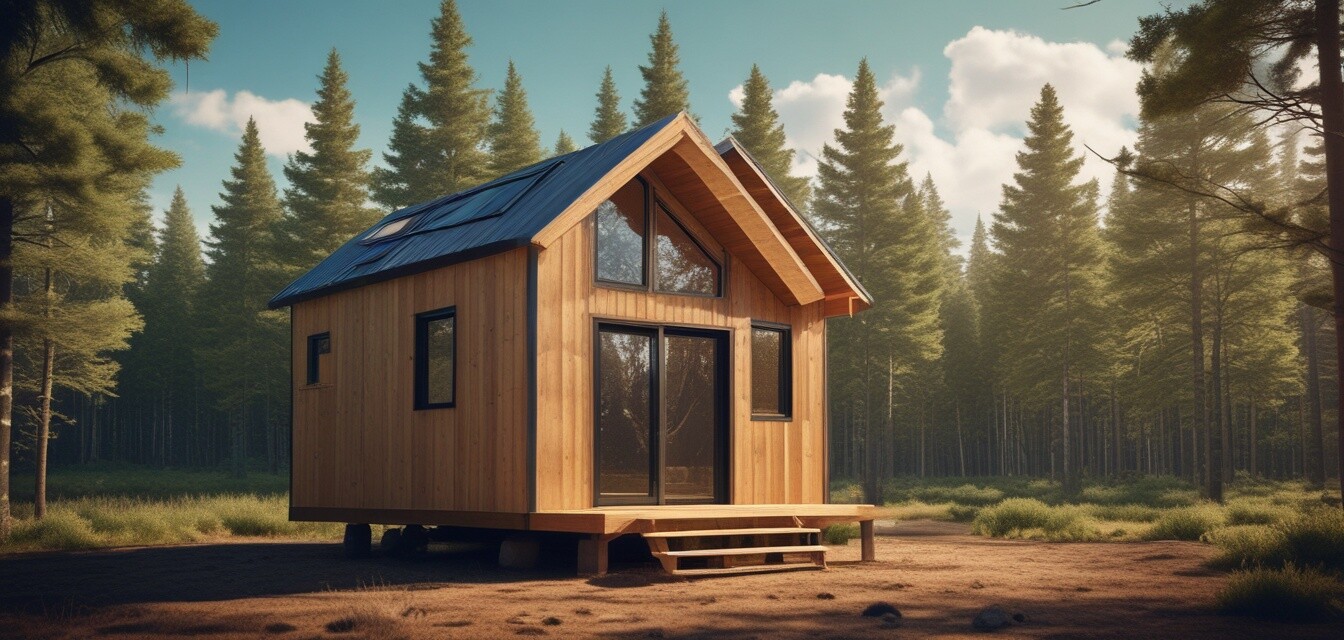
Tiny prefab homes are pre-constructed homes that typically utilize sustainable materials, offering a cost-effective and eco-friendly living solution. With the increasing demand for affordable housing, understanding the financing options is essential for potential buyers.
Common Financing Options
1. Traditional Mortgages
Traditional mortgages can be complex when it comes to tiny prefab homes. Many lenders may not consider these homes as eligible for financing due to their size and value. However, when considering a traditional mortgage, here are some key points:
- The home must typically be on a permanent foundation.
- Lenders may require specific inspections and appraisals.
- Interest rates may vary based on location and credit history.
2. Personal Loans
Many buyers turn to personal loans as an alternative for financing a tiny prefab home. Here are some advantages:
- Less stringent requirements compared to traditional mortgages.
- Quick application and approval processes.
- Flexible repayment terms.
3. Specialty Loans for Tiny Homes
There are lending options specifically designed for tiny homes. These loans may have advantages such as:
- Lower down payments.
- Terms tailored specifically for the unique aspects of tiny living.
- Extended repayment plans.
4. Home Equity Loans
If you already own property, a home equity loan can be a viable option for purchasing a tiny prefab home:
- Utilizes your existing home's equity.
- Often with lower interest rates than personal loans.
- May allow for larger loan amounts based on equity.
5. Grants and Subsidies
There are various grants dedicated to promoting sustainable building practices. These may apply to tiny prefab homes:
- Check local and state programs for energy and green building grants.
- Low-income buyers may have additional options.
- Research programs specific to your area, as availability varies.
Comparison of Financing Options
| Financing Option | Pros | Cons |
|---|---|---|
| Traditional Mortgages | Lower interest rates; larger loan amounts | Stricter requirements; may not cover small homes |
| Personal Loans | Fast approval process; flexible terms | Higher interest rates; limited amounts |
| Specialty Loans | Tailored for tiny homes; lower down payments | Limited access; may require good credit |
| Home Equity Loans | Lower rates; no need for additional credit checks | Risk of losing your home if you default |
| Grants | Do not require repayment; promote sustainability | Highly competitive; may have restrictions |
What to Consider Before Applying for Financing
Before you apply for financing for your tiny prefab home, consider the following:
- Your credit score - a higher score can secure better rates.
- Potential down payments - saving up can simplify the process.
- Local regulations - check if your tiny home meets legal specifications.
- Long-term budget - factor in all costs, including insurance and taxes.
Tips for Securing Financing
Beginner's Tips
- Start with a solid budget, determining what you can afford.
- Consult with a financial advisor to explore all options.
- Prepare documentation beforehand to streamline the application process.
- Research various lenders to find the best terms.
Financing a tiny prefab home may initially seem overwhelming, but being informed can significantly ease the process. With various options available, it’s important to weigh the pros and cons of each, researching further as needed.
For more insights on tiny living, consider exploring our Buying Guides that cover everything from materials to layouts.
Pros
- Eco-friendly and sustainable living solutions.
- Affordability in comparison to traditional homes.
- Flexibility in lifestyle and living arrangements.
Cons
- Financing options may be limited or complicated.
- May have restrictions based on local regulations.
- Insurance costs can vary widely.