Disclosure: This content may contain affiliate links. If you purchase through these links, this website may earn a commission at no additional cost to you. As an Amazon Associate, we earn from qualifying purchases. Some content on this website may be created with the assistance of AI tools and editorial research to help provide helpful information, comparisons, and recommendations for readers.
Best Practices for Building a Tiny Prefab Home
Key Takeaways
- Choosing the right location is crucial for your tiny prefab home.
- Design should reflect your personal needs and lifestyle.
- Understanding permits and regulations is essential to avoid issues.
- Sustainable materials can enhance the value of your home.
- Smart home devices can maximize space efficiency.
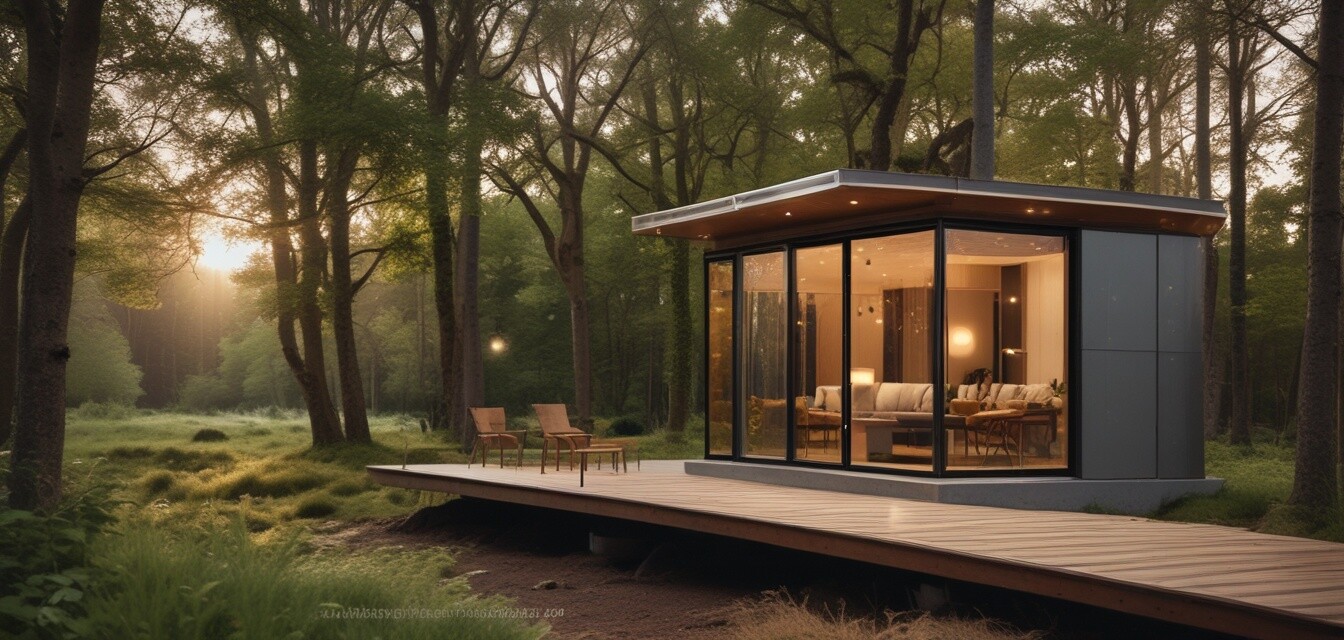
The concept of tiny living is becoming increasingly popular, prompting many to consider a tiny prefab home. This guide will discuss essential considerations for building or purchasing such a home, helping you navigate through location, design, and permits while ensuring that your living space is both functional and stylish.
Understanding the Tiny Living Trend
Tiny prefab homes are pre-built structures that offer a compact lifestyle while maximizing space and sustainability. This trend is not just about downsizing; it's about rethinking how we utilize our living spaces. Here are a few reasons why individuals and families are gravitating toward tiny prefab homes:
- Cost-effective living solutions
- Minimal environmental impact
- Flexibility in design and placement
Considerations for Building Your Tiny Prefab Home
1. Location, Location, Location
One of the first steps in building a tiny prefab home is to select the right location. Considerations include:
| Factor | Considerations |
|---|---|
| Proximity to Amenities | Access to shops, schools, and healthcare should be considered. |
| Environmental Factors | Be aware of climate, natural hazards, and landscape features. |
| Local Community | Research neighborhoods that align with your lifestyle choices. |
2. Design Considerations
Your tiny prefab home should be tailored to your personal comfort and needs. Key design elements include:
- Layout: Open floor plans can create a sense of space.
- Storage Solutions: Incorporate multi-functional furniture.
- Natural Light: Maximize windows for brightness.
Permits and Regulations
Every region has its own regulations concerning building. Make sure to:
- Check local zoning laws and building codes.
- Understand any restrictions on tiny homes in your desired area.
- Obtain necessary permits before construction begins.
For assistance, consider consulting with local planning departments or community resources dedicated to tiny living. More details can be found in our Buying Guides section to help you navigate the regulations.
The Role of Sustainable Materials
Building your tiny prefab home with sustainable materials is a key aspect of modern living. This not only reduces environmental impact but also enhances your home’s overall appeal. Common sustainable materials include:
- Recycled steel
- FSC-certified wood
- Low-VOC products
Incorporating Smart Home Technology
To enhance functionality and efficiency, consider incorporating smart home devices. These technologies can help you manage energy consumption and make better use of available space. Some popular devices include:
| Device | Function | Benefits |
|---|---|---|
| Smart Thermostat | Controls home temperature remotely | Reduces energy bills |
| Smart Lighting | Automates lighting based on occupancy | Enhances security and saves energy |
| Home Security System | Monitors your home remotely | Improves safety and peace of mind |
Final Thoughts
Building a tiny prefab home can be a rewarding journey towards a simplified lifestyle. By considering location, design, permits, sustainable materials, and smart technology, you’ll be well on your way to creating a cozy living space that fits your unique needs.
Pros
- Cost-efficient construction
- Environmental sustainability
- Customization options available
Cons
- Limited living space
- Potential zoning issues
- Financing challenges
For more information on tiny prefab homes, check out our Tiny Prefab Homes page, where you will find numerous options and insights tailored to your needs.